
Water reuse has moved from a niche sustainability practice to a mainstream manufacturing priority worldwide. As industries face rising water costs, regulatory pressure, and increased competition for limited freshwater, reusing treated water has become a practical and strategic necessity. In Kenya, manufacturers are facing similar challenges, and companies like Spenomatic Kenya are helping plants adopt dependable reuse systems that improve efficiency while supporting long-term water security.
Water reuse involves treating wastewater to a level where it can safely be used again within the facility. This reduces the demand for fresh water and minimizes the volume of effluent released into the environment. For industries that rely heavily on water, such as food processing, textiles, energy, and pharmaceuticals, the shift toward reuse has become a powerful tool for improving stability and reducing operational risk.
Manufacturing plants increasingly recognize that water, once seen as abundant and inexpensive, is a resource that demands careful management. Kenya’s periodic droughts and growing population have highlighted the vulnerability of traditional water supply systems. Reusing water gives manufacturers more control over their operations, ensuring predictable supply even during periods of scarcity. It also aligns with global sustainability frameworks promoted by the United Nations Environment Programme and national guidelines from bodies such as the National Environment Management Authority.
The Role of Water Reuse in Sustainable Water Management
Industries have learned that the most efficient approach to sustainable water management combines conservation, treatment, and reuse. Water reuse allows manufacturers to stretch every litre by applying it more than once within the plant. After proper treatment, reused water can support processes such as cooling, cleaning, irrigation, or flushing, depending on quality needs.
As global institutions like the World Health Organization continue to provide science-based guidance on water safety, more plants have confidence in reusing treated water responsibly. Reuse systems are no longer seen as experimental; they are recognized as reliable, safe, and cost-effective components of industrial water strategy.
Manufacturers have also discovered that a reuse programme improves environmental performance. By reducing the amount of wastewater discharged, companies help protect rivers, groundwater, and ecosystems. This contributes to national conservation goals and enhances a company’s public image. For manufacturers operating near communities or shared water resources, this can significantly strengthen trust and lower the likelihood of disputes.
How Water Reuse Enhances Operational Efficiency
Water reuse provides several operational benefits that contribute directly to plant performance. One major advantage is stability. When water supply interruptions occur, production can slow down or stop altogether. Plants that rely solely on municipal or borehole water are more susceptible to disruptions. Water reuse systems allow manufacturers to create a dependable internal water cycle that supports continuous operations.
Another advantage is cost reduction. As freshwater prices rise and wastewater tariffs increase, treating and reusing water becomes more economical. Reuse reduces the volume of water a plant must purchase and the amount it must discharge. This dual saving effect has encouraged many companies to adopt reuse strategies as part of their long-term cost planning.
Energy savings also come into play. Properly treated and reused water can improve the performance of boilers, cooling towers, and other systems that rely on stable water quality. With fewer impurities, these systems operate more efficiently, reducing energy consumption and lowering overall operating costs.
The Growing Role of Spenomatic Kenya in Industrial Water Reuse
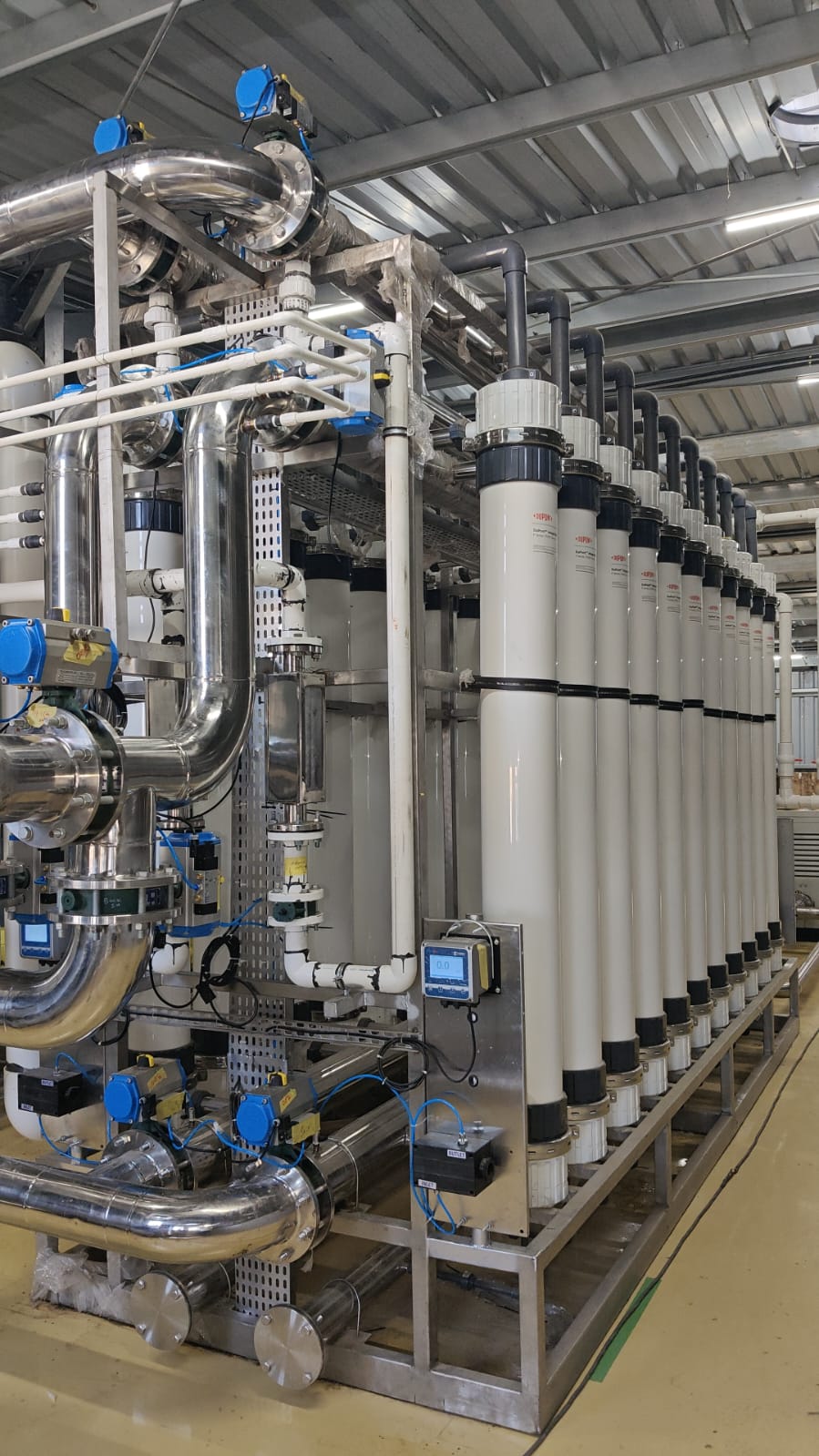
Spenomatic Kenya supports manufacturers by designing water treatment and reuse systems tailored to local water characteristics and industry requirements. Their solutions help plants reduce wastage, protect equipment, and improve water quality through modern filtration, automated dosing, and advanced monitoring technologies.
By integrating reuse systems into existing operations, Spenomatic Kenya enables facilities to achieve more sustainable production without major operational disruptions. Their approach improves reliability and reduces maintenance demands, supporting long-term performance across different manufacturing sectors.
Why Water Reuse Aligns With Global Manufacturing Trends
Water reuse is increasingly viewed as a core component of industrial resilience. As climate change intensifies and water scarcity becomes more common, manufacturers worldwide are reassessing how they source and manage water. The shift is supported by global bodies like the Food and Agriculture Organization and research networks such as the International Water Association, which emphasize responsible water management and circular practices.
Manufacturing hubs in Europe, Asia, and North America have already established large-scale reuse programmes, demonstrating that treated wastewater can safely support industrial processes. Kenya and broader East Africa are now adopting similar approaches as industries modernize and new regulatory standards emerge.
Water reuse also fits neatly into broader sustainability goals, including carbon reduction and responsible resource use. Efficient water systems reduce the energy required for pumping and heating, and they decrease the environmental footprint associated with freshwater extraction and wastewater discharge. For manufacturers looking to meet sustainability certifications or international market expectations, reuse has become an important competitive advantage.
Long-Term Benefits for Kenyan Manufacturing
In Kenya, water reuse offers a powerful solution to two major challenges: water scarcity and rising operational costs. By adopting reuse practices, manufacturers can ensure a steady water supply even during dry periods and maintain stable production when municipal supplies face pressure.
Industries that implement reuse systems also strengthen their compliance with Kenyan environmental regulations. Reduced wastewater discharge means fewer environmental risks and smoother approval processes for plant expansions and new facilities. Reuse systems demonstrate responsible resource management, which is increasingly important to regulators, investors, and customers.
As more Kenyan manufacturers adopt sustainable water practices, the country benefits from reduced environmental stress and greater industrial resilience. This shift supports long-term economic growth and aligns with Kenya’s broader sustainability goals.
Sustainable reuse solutions, especially when implemented through reliable partners like Spenomatic Kenya, help plants enhance productivity, reduce operational risk, and prepare for the future of manufacturing in a resource-constrained world.
FAQs
1. Why is water reuse important in manufacturing?
It reduces water dependence, lowers costs, and improves operational stability.
2. Can reused water be safely used in industrial processes?
Yes, when treated properly, it meets quality standards for cooling, cleaning, and other non-potable uses.
3. Does water reuse reduce environmental impact?
It lowers freshwater extraction and reduces wastewater discharge, protecting local ecosystems.
4. How does water reuse help with costs?
It cuts fresh water purchases and decreases wastewater disposal fees.
5. What role does Spenomatic Kenya play?
They design and implement reliable treatment and reuse systems tailored to industrial needs.