
Sustainable water treatment is increasingly recognized as a critical factor in improving industrial plant performance. Across Kenya, industries face rising pressure to reduce operational costs, minimize environmental impact, and maintain reliable production. By implementing sustainable water treatment solutions, companies can protect equipment, conserve resources, and ensure a consistent water supply. Firms like Spenomatic Kenya are helping industrial facilities achieve these benefits through tailored systems designed for local water conditions.
Efficient water treatment supports plant performance by preventing scaling, corrosion, and fouling in equipment such as boilers, cooling towers, and production lines. Untreated or poorly treated water can lead to frequent breakdowns, costly repairs, and inconsistent output. By adopting sustainable water treatment methods, plants reduce downtime, extend equipment lifespan, and maintain more predictable production schedules. These improvements translate directly into higher productivity and lower maintenance costs.
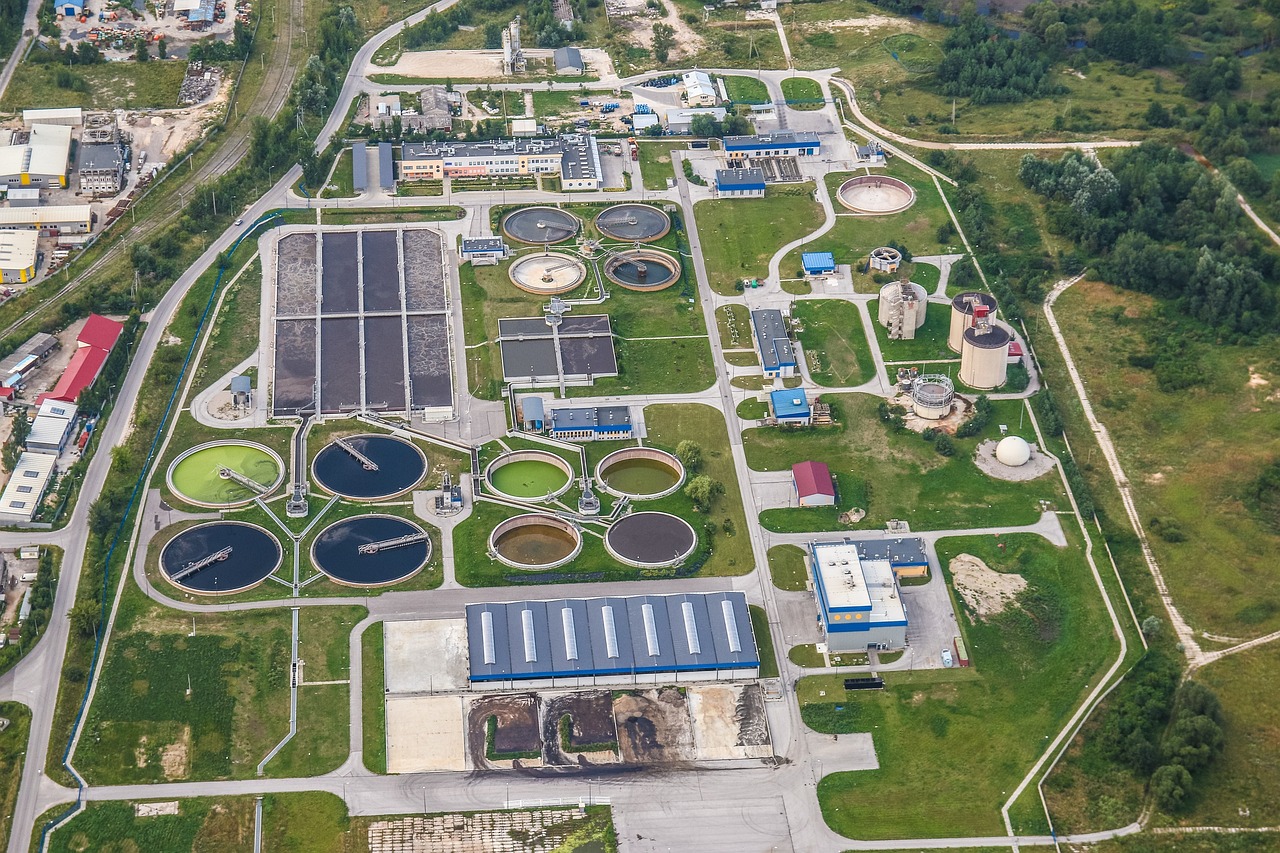
The Role of Sustainable Water Treatment in Reducing Equipment Wear
Water quality has a direct impact on the durability of industrial equipment. Hard water or water with high mineral content can cause scaling and corrosion, reducing efficiency and shortening the lifespan of machinery. Sustainable water treatment removes contaminants and regulates water chemistry to ensure safe operation across all systems.
Automated water treatment systems, increasingly used in Kenya, continuously monitor water parameters and adjust treatment levels in real time. This reduces human error, maintains consistent water quality, and prevents issues before they disrupt operations. Facilities that adopt these systems experience smoother operations and can better manage production during peak loads. By investing in sustainable water treatment, plants not only protect their assets but also minimize replacement costs and prevent waste associated with equipment failure.
Improving Energy Efficiency with Sustainable Water Treatment
One of the significant benefits of sustainable water treatment is energy savings. Clean water improves heat transfer efficiency in boilers and cooling towers, reducing the energy needed to maintain target temperatures. Pumps and other circulation equipment operate more efficiently with water that has fewer impurities, lowering electricity consumption and operational costs.
Sustainable water treatment also reduces the need for chemical usage. Systems that optimize filtration and chemical dosing minimize excess chemical consumption, which can otherwise increase operating expenses and contribute to environmental pollution. By adopting these methods, companies can achieve better water management while aligning with broader sustainability goals promoted by institutions like the United Nations Environment Programme and the World Health Organization.
Supporting Compliance and Environmental Responsibility
Industries are under increasing regulatory pressure to manage water responsibly. In Kenya, the National Environment Management Authority sets standards for wastewater discharge, water abstraction, and environmental protection. Sustainable water treatment allows companies to meet these requirements consistently, avoiding penalties and supporting responsible operations.
Beyond compliance, sustainable water treatment contributes to environmental stewardship. Treated water reduces pollution in rivers, lakes, and groundwater, preserving ecosystems and protecting community water supplies. Companies that implement these systems demonstrate a commitment to sustainable development and corporate social responsibility, strengthening their reputation with customers, regulators, and local communities.
Enhancing Water Reuse and Conservation
Water scarcity is a growing challenge, particularly in regions with limited rainfall or high industrial demand. Sustainable water treatment enables the safe reuse of water within facilities. Treated water can be redirected for cooling, cleaning, irrigation, or other non-potable applications, reducing the reliance on fresh water sources.
Water reuse not only lowers operational costs but also helps conserve precious water resources. Circular water practices, encouraged by organisations such as the International Water Association and the Food and Agriculture Organization, are increasingly being adopted by industries to create more resilient operations. Companies that incorporate water recycling can reduce overall water consumption while maintaining efficient and continuous plant performance.
The Role of Spenomatic Kenya in Driving Sustainable Solutions
Spenomatic Kenya provides industries with advanced sustainable water treatment systems that are tailored to specific plant requirements. Their solutions integrate automated controls, filtration, and chemical dosing to maintain high-quality water consistently. By designing systems suited to local water conditions, Spenomatic Kenya helps facilities reduce chemical use, conserve energy, and minimize environmental impact.
The company’s solutions are particularly valuable for sectors with sensitive operations, such as food processing, pharmaceuticals, and energy generation. By combining expertise with modern technology, Spenomatic Kenya supports industries in achieving reliable operations, reduced waste, and compliance with both national and international standards.
Looking Ahead: Sustainable Water Treatment as a Strategic Investment
Adopting sustainable water treatment is no longer optional for forward-thinking industries. Beyond compliance, it directly impacts productivity, cost savings, and environmental performance. As digital monitoring and automation become more accessible, industries can further optimize water usage, detect issues early, and improve resource efficiency.
For industrial facilities in Kenya and across East Africa, sustainable water treatment is a strategic investment that enhances plant performance while supporting long-term environmental and operational goals. Companies that integrate these systems are better positioned to maintain continuous operations, reduce operational risks, and contribute positively to the communities they serve.
FAQs
1. How does sustainable water treatment improve plant efficiency?
It prevents scaling and corrosion, reduces equipment downtime, and maintains consistent production.
2. Can treated water be reused within a plant?
Yes, it can be used for cooling, cleaning, or other non-potable applications.
3. Does sustainable water treatment save energy?
Yes, cleaner water improves pump and heat exchanger efficiency, lowering energy consumption.
4. How does it support environmental compliance?
It ensures wastewater meets standards set by bodies like the National Environment Management Authority and reduces pollution.
5. How does Spenomatic Kenya help industries?
They provide customized treatment systems that optimize water quality, save energy, and reduce environmental impact.