
Industrial operations rely heavily on water for cooling, cleaning, heating, and product processing. As environmental expectations rise and water scarcity becomes more prominent, manufacturers are turning to advanced water purification methods to improve sustainability and reduce waste. Across Kenya, industries are adopting modern systems that help them protect equipment, lower costs, and meet environmental standards.
Water purification has become a cornerstone of industrial sustainability because it improves water quality, supports efficient resource use, and reduces the environmental footprint of manufacturing activities. With proper purification, industries can maintain consistent operational performance even when water sources fluctuate in quality. Modern purification methods also support water reuse, which is increasingly important as companies aim to reduce dependence on freshwater sources and minimize wastewater discharge.
Purification technologies continue to evolve, making them more effective and accessible. Global and regional institutions such as the United Nations Environment Programme and the World Health Organization encourage industries to adopt safe water practices to protect workers, equipment, and the surrounding environment. Kenya’s own regulatory body, the National Environment Management Authority, provides guidelines for water discharge and environmental protection, making purification an essential component of compliance.
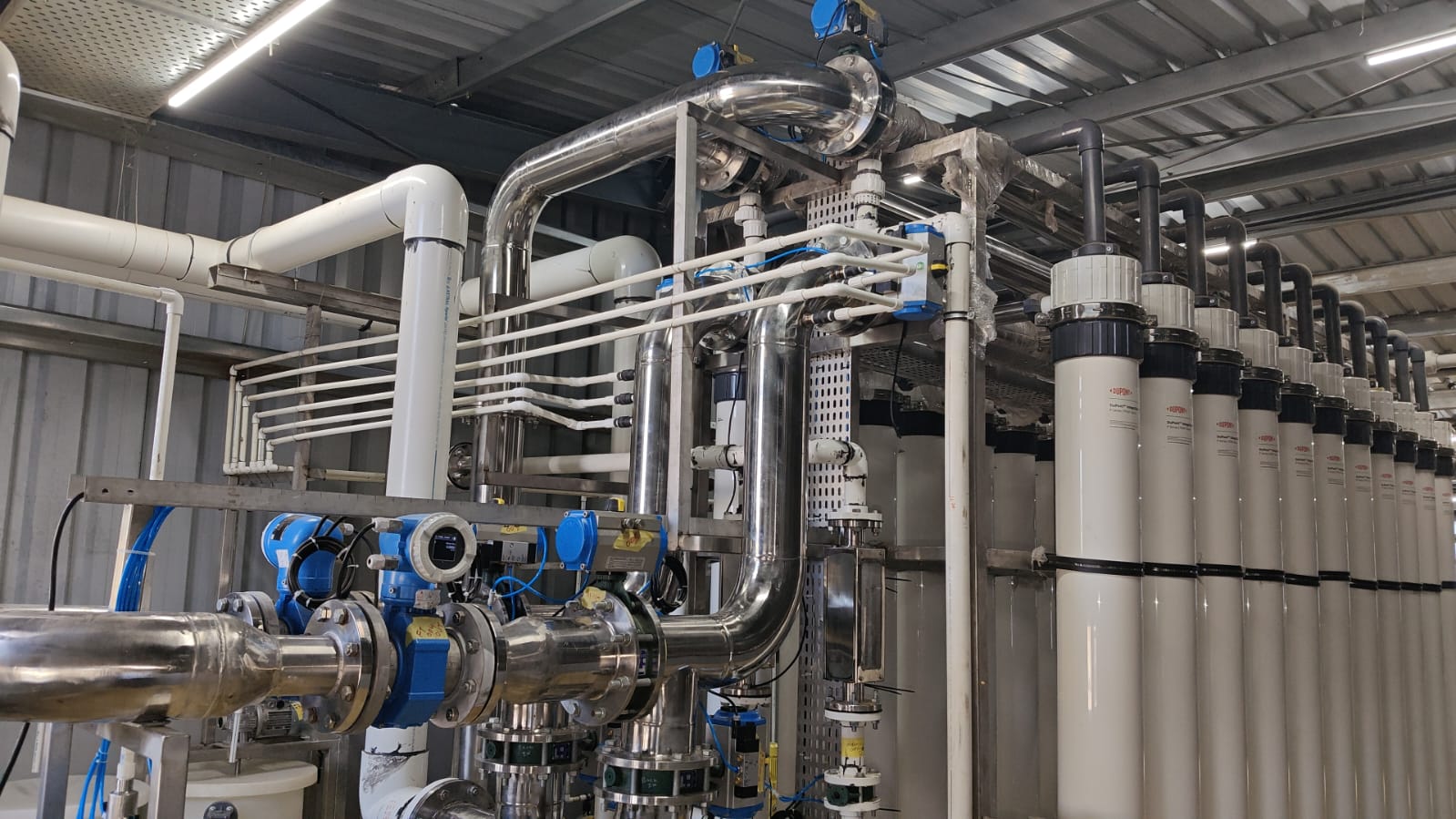
Reverse Osmosis as a Leading Water Purification Method
Reverse osmosis remains one of the most widely used purification techniques in industrial settings. It works by pushing water through a semi-permeable membrane to remove dissolved solids, chemicals, and contaminants. RO systems produce high-purity water suitable for sensitive operations such as food processing, pharmaceuticals, and power generation.
Industrial plants that use reverse osmosis benefit from reduced scaling, minimized corrosion, and more stable equipment performance. This purification method also supports water reuse programmes, since RO-treated water can be recirculated in cooling towers, steam generation, and cleaning processes. With rising water costs, RO has become an attractive long-term solution for sustainable industrial operations.
Ultrafiltration for Improving Water Clarity and Safety
Ultrafiltration has become a popular method for removing suspended solids, bacteria, and certain organic materials from water. It uses membranes with small pore sizes to produce clear, safe water suitable for a wide range of industrial applications.
UF systems help industries maintain consistent process water quality even when raw water sources vary. Because ultrafiltration operates at relatively low pressure, it is energy-efficient and cost-effective. Many plants use UF as a pretreatment step before reverse osmosis to extend membrane life and improve overall system efficiency. This layered approach enhances sustainability by reducing waste and lowering operational demand.
Activated Carbon Filtration for Removing Odour and Organic Compounds
Activated carbon filtration is widely used to remove chlorine, odour, colour, and organic contaminants. This purification method improves water taste and smell, which is essential in food and beverage manufacturing.
Carbon filters also protect downstream equipment by reducing chemical residues that may cause corrosion or inefficiency. When integrated into an industrial water purification system, activated carbon enhances water quality and improves the performance of other filtration methods. It remains one of the simplest yet most effective technologies supporting industrial sustainability.
Ion Exchange Treatment for Water Softening and Process Stability
Ion exchange technology plays a key role in water softening, a process that removes calcium and magnesium ions responsible for hardness. Hard water leads to scale buildup, reduced heat transfer, and increased maintenance needs.
Industries that rely on boilers, heat exchangers, and cooling systems benefit significantly from softened water. By reducing scale formation, ion exchange supports better energy efficiency and more predictable maintenance cycles. This purification method aligns directly with sustainability goals by reducing energy consumption and extending the lifespan of industrial equipment.
UV Disinfection for Chemical-Free Water Purification
Ultraviolet disinfection is an effective way to eliminate harmful microorganisms without using chemicals. UV treatment is particularly valuable in industries where microbiological contamination threatens product quality or safety.
Because it does not add chemicals to the water, UV purification is environmentally friendly and easy to integrate into existing systems. Many plants use UV as a final treatment step to ensure clean and safe water before it enters critical processes. By reducing chemical dependency, UV disinfection supports sustainability while maintaining operational reliability.
The Contribution of Spenomatic Kenya to Industrial Purification
Spenomatic Kenya supports manufacturers by supplying and integrating these purification methods into complete water management solutions. Their systems help industries reduce wastage, reuse treated water, and maintain high-quality water for all industrial applications. With a focus on efficiency and reliability, Spenomatic Kenya enables plants to adopt sustainable water practices that match global standards and local environmental requirements.
Their purification solutions are designed to work with Kenya’s diverse water sources, including boreholes, municipal supplies, and surface water. By ensuring that water used in plants is consistently clean and safe, they help industries protect equipment, reduce operational costs, and achieve long-term environmental goals.
Strengthening Industrial Sustainability Through Purification
Water purification enables industries to operate more sustainably by protecting natural resources, minimizing wastewater discharge, and lowering energy consumption. As water becomes increasingly valuable, purification methods provide a dependable way for industries to secure cleaner water without relying solely on external supplies.
Manufacturers adopting these methods benefit from improved product quality, reduced environmental risk, and greater operational stability. As global and local organizations continue to advocate for sustainable water practices, purification technologies will play an even more central role in supporting industrial growth.
In Kenya, the shift toward sustainable purification is accelerating as industries modernize and invest in resource-efficient systems. With support from providers like Spenomatic Kenya, companies can adopt advanced purification technologies that ensure long-term performance, compliance, and resilience.
FAQs
1. Which purification method is most common in industries?
Reverse osmosis is widely used because it produces high-purity water suitable for many industrial processes.
2. Can purification help reduce equipment damage?
Yes, purified water reduces scaling, fouling, and corrosion, protecting equipment and extending its lifespan.
3. Does water purification support reuse?
Purification methods like RO, UF, and UV enable safe water reuse in cooling, cleaning, and other non-potable tasks.
4. Why is purification important for sustainability?
It reduces chemical use, lowers energy demand, and minimizes wastewater discharge, improving environmental performance.
5. How does Spenomatic Kenya assist industries?
They design and implement purification systems tailored to industrial needs, helping improve efficiency and sustainability.