
As sustainability becomes a central focus for industries across Africa, the role of water treatment has expanded far beyond meeting basic compliance requirements. Modern businesses now recognize that every step taken to improve water quality directly affects energy use, waste generation, chemical consumption, and long-term resource security. This shift has pushed companies to rethink how they manage water, and organisations in East Africa are finding practical solutions through advanced systems provided by firms such as Spenomatic Kenya.
Improving water quality is not just about treating wastewater before discharge. It includes managing intake water, optimizing processes, recovering resources, and reducing pollutants that would otherwise strain natural ecosystems. With increased pressure from public institutions and environmental bodies such as the United Nations Environment Programme, industries are being encouraged to adopt systems that reduce operational footprints while safeguarding community resources.
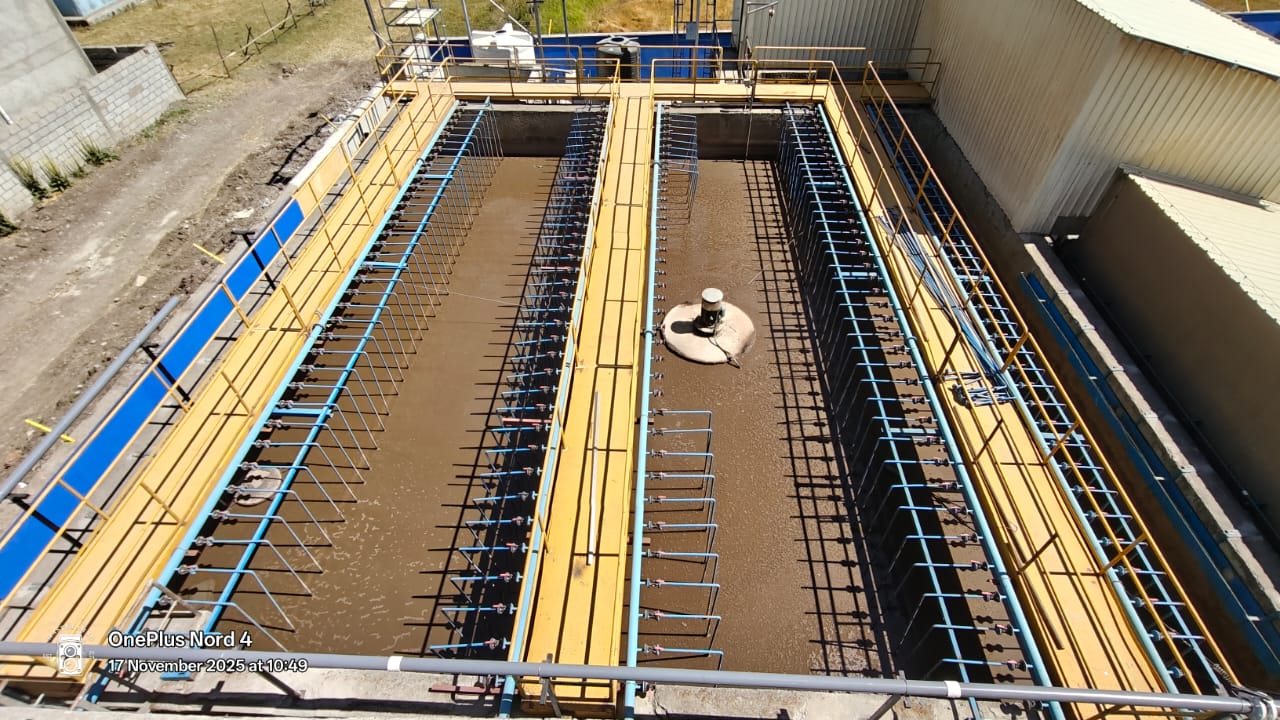
How Water Treatment Minimizes Industrial Impact
Industrial processes often require large volumes of water for cooling, heating, cleaning, or manufacturing. Without proper treatment, these processes can release contaminants that affect soil, rivers, and groundwater. Good treatment systems help break this cycle.
When companies reuse or recycle water, they draw less from shared natural sources. This reduces stress on rivers and aquifers already threatened by climate variability. Lower water abstraction also aligns with global sustainability goals highlighted by organisations like the World Health Organization, which consistently advocates better water stewardship to protect public health and ecosystems.
Spenomatic Kenya has supported this shift by providing industrial partners with efficient solutions that help them meet discharge standards, reduce water usage, and adopt more responsible production methods. These systems allow manufacturers to keep pace with tightening regulations while improving their operational reliability.
Supporting Cleaner Production Through Modern Filtration
Cleaner production depends on how water enters, travels through, and leaves an industrial facility. Modern filtration allows industries to reduce contaminants early in the process rather than relying solely on end-of-pipe treatment.
Industries using automated filtration and reverse osmosis systems significantly cut the amount of sludge and chemicals required. This reduces transportation emissions and minimizes the disposal burden on public infrastructures. It also helps businesses comply more easily with guidance from environmental authorities such as the National Environment Management Authority in Kenya, which continues to reinforce the need for responsible waste management.
By improving input water quality, companies can also reduce the scale of downstream equipment fouling, extend system lifespan, and reduce maintenance-related waste. Spenomatic Kenya’s installations, tailored to local water conditions, make these gains possible in various industrial settings.
Reducing Energy Use Through Improved Water Processes
Energy reduction is another important outcome of improved water treatment. When water is cleaner, pumps and boilers operate more efficiently, heat exchangers maintain consistent performance, and industrial processes avoid temperature instability due to scaling.
Reducing the energy needed for heating or cooling means lower greenhouse gas emissions. In many facilities, this forms a measurable portion of their environmental footprint. With Kenya focusing on cleaner energy transitions and efficiency improvements encouraged by government planning bodies, industries benefit from adopting water treatment solutions that reduce unnecessary consumption.
Spenomatic Kenya’s systems are often designed to minimize energy demand through efficient pumps, smart controls, and optimized chemical dosing. This allows businesses to meet environmental goals while maintaining process stability.
Strengthening Compliance and Community Responsibility
As communities across East Africa grow, industries face increasing expectations to protect shared natural resources. Responsible water treatment plays a major role in building trust, reducing conflicts, and ensuring long-term access to clean water.
Public institutions like the Ministry of Water, Sanitation and Irrigation regularly emphasize sustainable water management, and having effective treatment systems helps companies align with national objectives. Treated wastewater that meets quality standards protects local waterways used for farming, fishing, and domestic use. Cleaner discharge also preserves biodiversity, making it easier for regional conservation programs to thrive.
Spenomatic Kenya supports industries in meeting these responsibilities by offering systems that not only treat water effectively but also help companies monitor performance through automated controls and reliable service support.
Driving Circular Water Practices
Circular water management, where water is reused, repurposed, and recycled within a facility, significantly reduces waste and environmental pressure. Advanced treatment enables the recovery of heat, minerals, and other resources that would otherwise be lost.
Industries adopting circular practices reduce their reliance on freshwater sources, contribute less to wastewater loads, and minimize overall environmental disturbance. With global institutions such as the Food and Agriculture Organization encouraging resource-efficient practices in agriculture and processing industries, local companies are recognizing the long-term benefits of regenerative water management.
Spenomatic Kenya is helping organizations move toward circular systems by integrating technologies that support safe reuse and process recovery, ensuring that environmental footprints continue to shrink across multiple sectors.
FAQs
1. How does water treatment reduce environmental impact?
It lowers pollution, minimizes extraction from natural sources, and reduces chemical and energy use across industrial processes.
2. Why is water reuse important for industries?
It decreases freshwater consumption and lessens wastewater discharge, helping businesses conserve resources.
3. Does advanced treatment require more energy?
Modern systems are designed to lower energy use by improving process efficiency and reducing equipment fouling.
4. How does Spenomatic Kenya support sustainability?
They provide tailored treatment solutions that help industries reduce waste, conserve water, and meet regulatory standards.
5. Can treated wastewater be reused safely?
Yes, when treated to the correct standard, it can be reused for cooling, irrigation, cleaning, or certain process needs.