
Eco-smart water treatment solutions are quickly becoming essential for industries that want to reduce waste, cut costs, and operate more efficiently. With sustainability now a key business goal, companies need systems that help them reuse water, recover valuable resources, and minimize pollution. This approach is not only about following regulations, it also improves reliability and long-term savings. In Kenya, industries are adopting advanced water treatment solutions from providers like Spenomatic Kenya to meet these challenges.
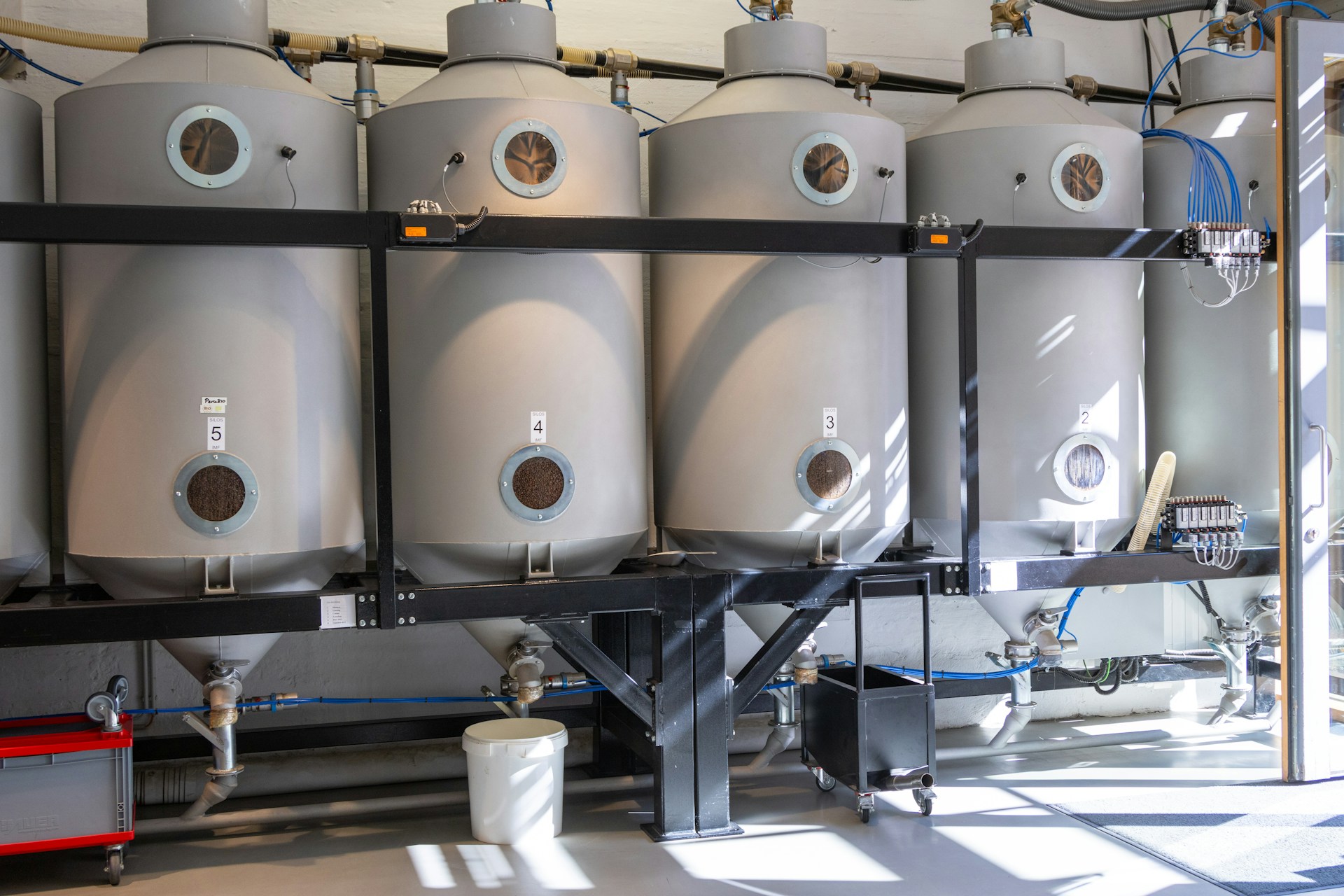
How Eco-Smart Water Treatment Supports Zero-Waste Goals
Zero-waste goals go beyond reducing solid waste. They require industries to manage water responsibly throughout their production cycles. Eco-smart systems help by cleaning wastewater so it can safely re-enter industrial processes.
For example, manufacturing plants often generate wastewater containing chemicals, solids, or organic material. Treating this water reduces what is released into the environment. By reusing water internally, companies conserve resources and reduce operational costs. The United Nations Environment Programme stresses that circular water management is crucial for sustainability, particularly in regions facing water scarcity.
Smart Filtration for Cleaner Water
Smart filtration is a cornerstone of eco-smart water treatment. These systems use automated sensors and real-time monitoring to maintain water quality. They detect changes in pressure, flow, or particle load and adjust operations automatically.
Industries benefit because equipment experiences less downtime and requires less manual intervention. Smart filters also waste less water during cleaning cycles. According to the European Environment Agency, efficient filtration significantly reduces industrial freshwater consumption.
Advanced Recycling and Reuse Technologies
Eco-smart systems use multiple technologies to recycle wastewater. Treated water can be reused for cooling, rinsing, heating, and some production processes. This reduces reliance on external water sources and supports sustainability goals.
Technologies like membrane bioreactors, ultrafiltration, and advanced oxidation systems are common. They offer flexibility across industries, ensuring each plant can treat its specific wastewater type. The International Water Association highlights that integrating these systems boosts both environmental and economic performance.
Resource Recovery for Zero-Waste
Modern water treatment can recover resources from wastewater. Facilities can capture heat, nutrients, and chemicals for reuse in production. This approach reduces waste and turns by-products into useful materials.
For example, thermal energy recovery extracts heat from wastewater before it is reused. Chemical recovery systems can reclaim salts or other compounds. These methods directly support zero-waste strategies by maximizing resource use.
Digital Monitoring for Smarter Water Management
Digital tools improve eco-smart water systems by offering real-time insights. Sensors, data platforms, and AI-driven analytics help engineers track water quality and detect issues early.
Spenomatic Kenya incorporates digital monitoring into its industrial solutions. This reduces interruptions, improves efficiency, and ensures consistent performance. Companies can quickly respond to changes without waiting for manual checks.
Meeting Environmental Compliance
Industries must comply with water and environmental regulations. In Kenya, the National Environment Management Authority sets standards for wastewater discharge. Eco-smart systems ensure treated water meets these rules while reducing the environmental impact.
Global organisations such as the Environmental Protection Agency continue to emphasize the importance of industrial pollution control. Using advanced water treatment helps plants stay ahead of regulatory changes, avoid fines, and protect local water resources.
Spenomatic Kenya’s Role in Industrial Sustainability
Spenomatic Kenya helps industries implement eco-smart solutions tailored to local conditions. Their systems integrate filtration, recycling, resource recovery, and digital controls. These technologies help plants reuse water, lower energy use, and reduce chemical consumption.
By using eco-smart water treatment, industries maintain operational stability, protect equipment, and achieve long-term sustainability goals. Spenomatic Kenya’s solutions make it easier for plants to meet zero-waste objectives without major operational disruptions.
Conclusion
Eco-smart water treatment is essential for modern industrial operations. Filtration, recycling, resource recovery, and digital monitoring all contribute to zero-waste goals. Companies that adopt these solutions reduce costs, conserve water, protect the environment, and maintain reliable operations. With support from providers like Spenomatic Kenya, industries can meet both regulatory and sustainability requirements while preparing for long-term growth.
FAQs
1. What makes eco-smart water treatment different from conventional systems?
It focuses on reuse, energy efficiency, automation, and minimal waste, making it ideal for sustainability-focused industries.
2. Can recycled water be used in production?
Yes, treated water can be reused for cooling, rinsing, heating, and other industrial processes.
3. Does eco-smart treatment lower costs?
Yes, it reduces water purchases, energy use, and wastewater disposal costs.
4. Are digital monitoring tools necessary?
They improve reliability by tracking water quality and detecting problems early.
5. How does Spenomatic Kenya help industries?
They design and install water treatment systems that enhance efficiency, reduce environmental impact, and support zero-waste goals.