
Cleaner production has become a key goal for industries worldwide. It focuses on reducing environmental impact while improving efficiency and product quality. Water plays a central role in this process because it is used in nearly every industrial operation, from cooling and cleaning to processing and product formulation. For industries in Kenya and across East Africa, adopting modern water systems has become essential for achieving cleaner production goals.
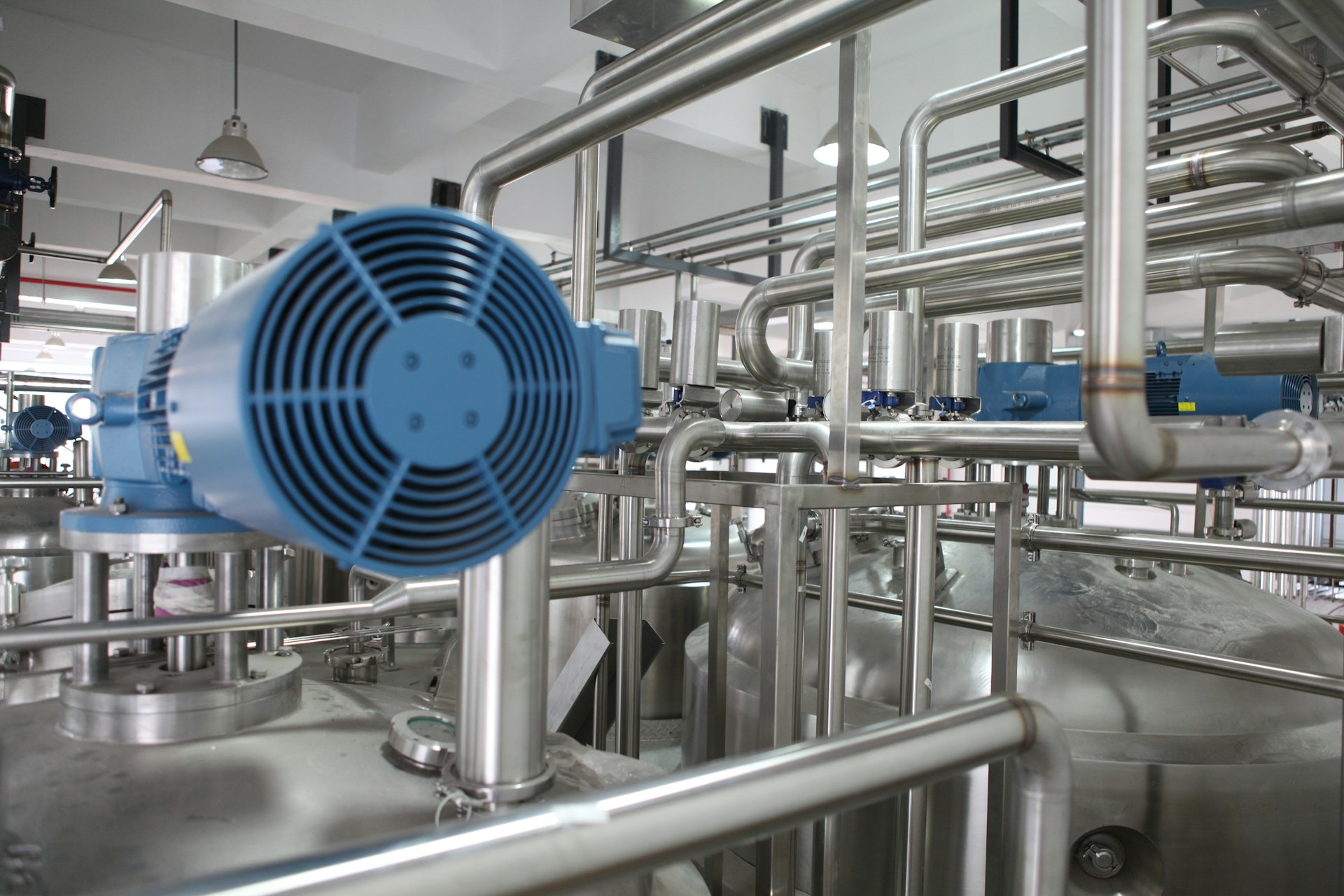
Why Modern Water Systems Are Crucial for Cleaner Production
Water quality directly affects industrial performance. Impurities in water can cause scaling, corrosion, and fouling in boilers, heat exchangers, cooling towers, and processing lines. These issues lead to equipment breakdowns, increased maintenance, and production disruptions. By implementing modern water systems, plants can consistently provide clean, high-quality water to all processes.
Modern water systems are designed to remove contaminants, regulate chemical balance, and prevent microbial growth. With automated monitoring, plants can track water quality in real time, making adjustments when necessary. This ensures equipment operates efficiently and reduces the risk of downtime. Cleaner water also improves the safety and quality of the products, which is particularly important in sectors such as food processing, pharmaceuticals, and electronics.
Advanced Filtration Technologies
Filtration is a core component of modern water systems. Technologies like ultrafiltration, microfiltration, and membrane systems remove suspended solids, bacteria, and other impurities. These systems ensure that water entering the production line meets strict quality standards.
For industries aiming for cleaner production, smart filtration has added benefits. Automated filters reduce manual labor, waste water, and energy use. According to the European Environment Agency, efficient filtration systems help industries lower freshwater consumption and minimize environmental impact. By combining filtration with continuous monitoring, plants can maintain optimal water quality at all times.
Water Reuse and Recycling
Water reuse is a major contributor to cleaner production. Modern systems treat wastewater so it can safely be reused within the plant. Recycled water can be applied to cooling, cleaning, steam generation, and other non-potable processes.
Reusing water reduces dependence on municipal or borehole supplies and lowers the volume of wastewater discharged. The United Nations Environment Programme promotes circular water management as a key strategy for sustainability. By integrating water reuse into production, industries not only save costs but also demonstrate environmental responsibility.
Technologies like membrane bioreactors and advanced oxidation systems allow plants to treat water efficiently. They remove both chemical and organic pollutants, making reused water safe and reliable. Resource recovery technologies further enhance the system’s sustainability by extracting heat, chemicals, or nutrients from wastewater for reuse in production.
Energy Efficiency and Cleaner Production
Modern water systems also contribute to energy efficiency. Clean, treated water improves heat transfer in boilers and cooling towers, reducing the energy required for heating and cooling. Pumps and circulation systems operate more effectively with water free of scale or sediment, lowering electricity consumption.
Reducing chemical use is another advantage. Optimized dosing systems prevent excess chemicals from entering the process, which reduces environmental impact and lowers operational costs. The International Water Association highlights that integrating water treatment with energy-efficient processes enhances both sustainability and profitability.
Digital Monitoring and Automation
Automation and digital monitoring make modern water systems more reliable and efficient. Sensors continuously measure water quality, flow rates, and chemical levels. If parameters fall outside desired ranges, the system adjusts automatically.
Spenomatic Kenya integrates digital control into its industrial water solutions, allowing managers to monitor operations remotely. This real-time visibility reduces the risk of disruptions, ensures compliance, and optimizes water use. Digital systems also provide historical data for performance analysis, helping industries improve processes over time.
Regulatory Compliance and Environmental Protection
Industries must comply with environmental standards for wastewater discharge and resource use. In Kenya, the National Environment Management Authority sets strict regulations to protect water bodies and communities. Modern water systems help facilities consistently meet these standards while supporting cleaner production initiatives.
Global guidance from organisations such as the World Health Organization emphasizes safe water management to protect both people and ecosystems. By using advanced treatment systems, industries reduce pollutants, conserve water, and strengthen their reputation with regulators and stakeholders.
The Role of Spenomatic Kenya in Cleaner Production
Spenomatic Kenya supports industries in implementing modern water systems that enhance cleaner production. Their solutions combine filtration, water reuse, resource recovery, and digital monitoring into comprehensive systems tailored to local water conditions.
By adopting these solutions, industrial facilities can maintain consistent water quality, protect equipment, and reduce operational risks. Cleaner production initiatives become easier to achieve, and companies benefit from lower costs, improved efficiency, and enhanced environmental performance.
Long-Term Benefits of Modern Water Systems
Investing in modern water systems is a long-term strategy for cleaner production. Facilities experience fewer breakdowns, lower energy costs, and reduced chemical usage. They also strengthen compliance with regulations and reduce environmental impact.
In the future, industries that implement these systems will be better prepared for stricter environmental regulations, water scarcity challenges, and rising operational costs. Companies that prioritize sustainability today position themselves for competitive advantage tomorrow.
FAQs
1. How do modern water systems support cleaner production?
They provide consistent, high-quality water, reduce waste, and improve operational efficiency.
2. Can industrial water be reused safely?
Yes, treated wastewater can be reused for cooling, cleaning, and other non-potable applications.
3. Do modern systems save energy?
Yes, clean water reduces scaling and improves heat transfer, lowering energy consumption.
4. How do digital monitoring systems help?
They track water quality in real time, optimize processes, and prevent disruptions.
5. How does Spenomatic Kenya help industries?
They provide tailored water treatment solutions that improve efficiency, sustainability, and compliance.