
Industries across Kenya rely on clean and dependable water to keep operations running smoothly. As environmental expectations rise and production processes become more demanding, many businesses are adopting automated filtration systems to maintain a higher standard of water quality. These systems use digital monitoring, intelligent controls, and advanced filtration technology to deliver cleaner water with less manual work.
Instead of relying on periodic checks or manual adjustments, automated filtration systems react instantly to changes in water conditions. This helps protect equipment, improve production quality, and support compliance with local and international water standards.
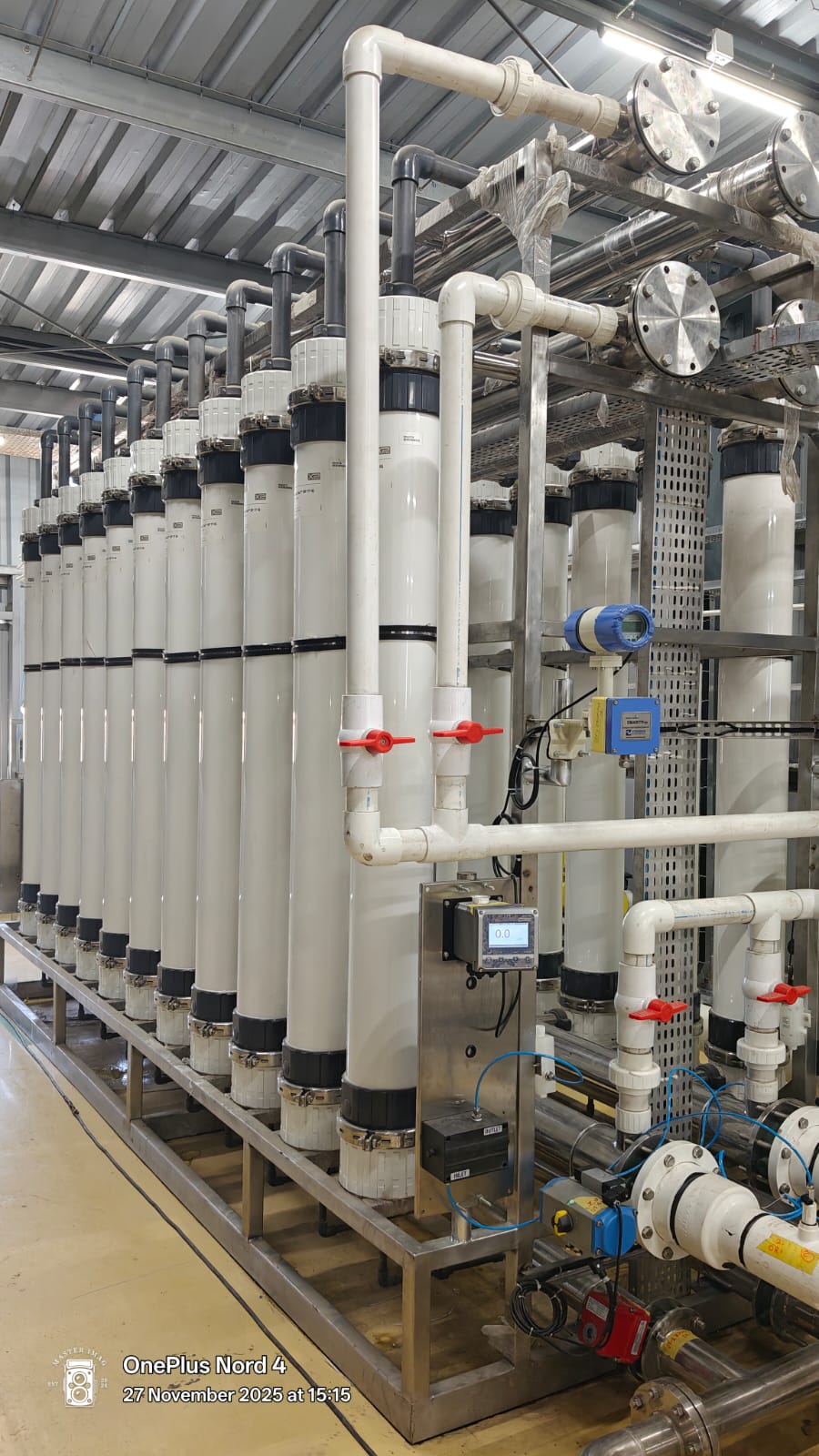
Why Automated Filtration Systems Are Becoming Essential
Many industries still use traditional filtration setups that depend heavily on human monitoring. While these methods can work, they often struggle when water conditions change unexpectedly. A delay in response can cause inconsistent water quality, equipment strain, or even production downtime.
Automated filtration systems eliminate this uncertainty. They measure turbidity, flow rate, and particle levels in real time, then adjust filtration automatically to maintain stable performance. This approach reduces human error and ensures that water remains safe and consistent, even during busy production hours.
In Kenya, this shift supports regulatory expectations from bodies like the Water Resources Authority, whose focus includes improving water safety and responsible usage.
How Automation Enhances Filtration Performance
One of the biggest advantages of automated filtration systems is their ability to optimise themselves. Sensors continuously track water quality and the system reacts immediately whenever readings fall outside desired limits. It may increase filtration pressure, slow the flow, or activate a self-cleaning cycle to restore performance.
Self-cleaning technology is particularly valuable. Instead of pausing operations for manual cleaning, the filter removes trapped particles automatically using timed backwashing or sensor-triggered flushing. This ensures cleaner water round the clock and keeps operations running without needless interruptions.
For industries such as food and beverage processing, pharmaceuticals, hospitality, and manufacturing, this level of consistency is crucial. Small impurities can lead to major complications, and automated systems help prevent these issues before they occur.
Cost and Energy Savings Through Smart Filtration
Beyond improving water quality, automated filtration systems help companies use energy more efficiently. Because the system can adjust its settings based on demand, it avoids running pumps or cleaning cycles when they aren’t necessary. This lowers electricity consumption and reduces overall operating costs.
Automation also limits wear on the system, meaning components last longer and require fewer service interventions. That reduces maintenance expenses over time. The reduced water loss during backwashing helps companies meet sustainability goals aligned with guidelines promoted by organisations like the United Nations Environment Programme.
For industries that treat large amounts of water every day, these savings can add up quickly.
Where Automated Filtration Systems Are Used
Automated filtration is used across many sectors because the benefits are universal. Manufacturing facilities rely on clean water for cooling, cleaning, and various process steps. Food and beverage companies need absolute hygiene and consistent water quality. Hotels and hospitals use automation to keep water safe for daily use and prevent bacterial growth.
Heavy industries such as mining, power generation, and large commercial systems also benefit from automation, especially when dealing with large volumes of incoming raw water. With modern filtration, they can maintain stability even under demanding conditions.
This aligns with global recommendations on water safety shared by organisations like the World Health Organization (WHO) and innovations encouraged by the International Water Association.
Spenomatic Kenya’s Role in Modern Water Treatment
Spenomatic Kenya has become a key provider of advanced water treatment technologies in the region. With a strong background in industrial engineering, the company delivers automated filtration systems designed to improve water quality, reduce chemical usage, and optimise energy consumption.
Their solutions support industries seeking cleaner production methods and greater efficiency. By integrating automation into their water treatment offerings, Spenomatic Kenya helps companies achieve reliable, consistent, and sustainable water management.
The company also aligns its projects with broader development and environmental priorities supported by organisations like the United Nations Industrial Development Organization (UNID), reinforcing the region’s progress toward modern, sustainable industry.
The Future of Automated Filtration in Kenya
Digital transformation is reshaping the way industries manage water. Automated filtration systems are expected to become even more intelligent in the future, using predictive analytics and remote monitoring to optimise performance. As environmental regulations tighten and industries aim for cleaner operations, automated systems will play a central role in ensuring compliance and reducing operational risks.
Spenomatic Kenya is well-positioned to support this growing demand by offering technologies that blend reliability, efficiency, and long-term value.
FAQs
1. What is an automated filtration system?
It’s a filtration setup that uses sensors and automated controls to maintain water quality with minimal manual involvement.
2. How does it improve water quality?
By monitoring water conditions in real time and adjusting filtration instantly whenever quality drops.
3. Is automation cost-effective?
Yes, it reduces energy use, limits downtime, and lowers maintenance and water loss.
4. Which industries benefit most?
Manufacturing, food processing, hospitality, healthcare, and large commercial systems all gain from automation.
5. What does Spenomatic Kenya offer?
Spenomatic Kenya provides automated filtration solutions that support cleaner production and more efficient industrial water management.