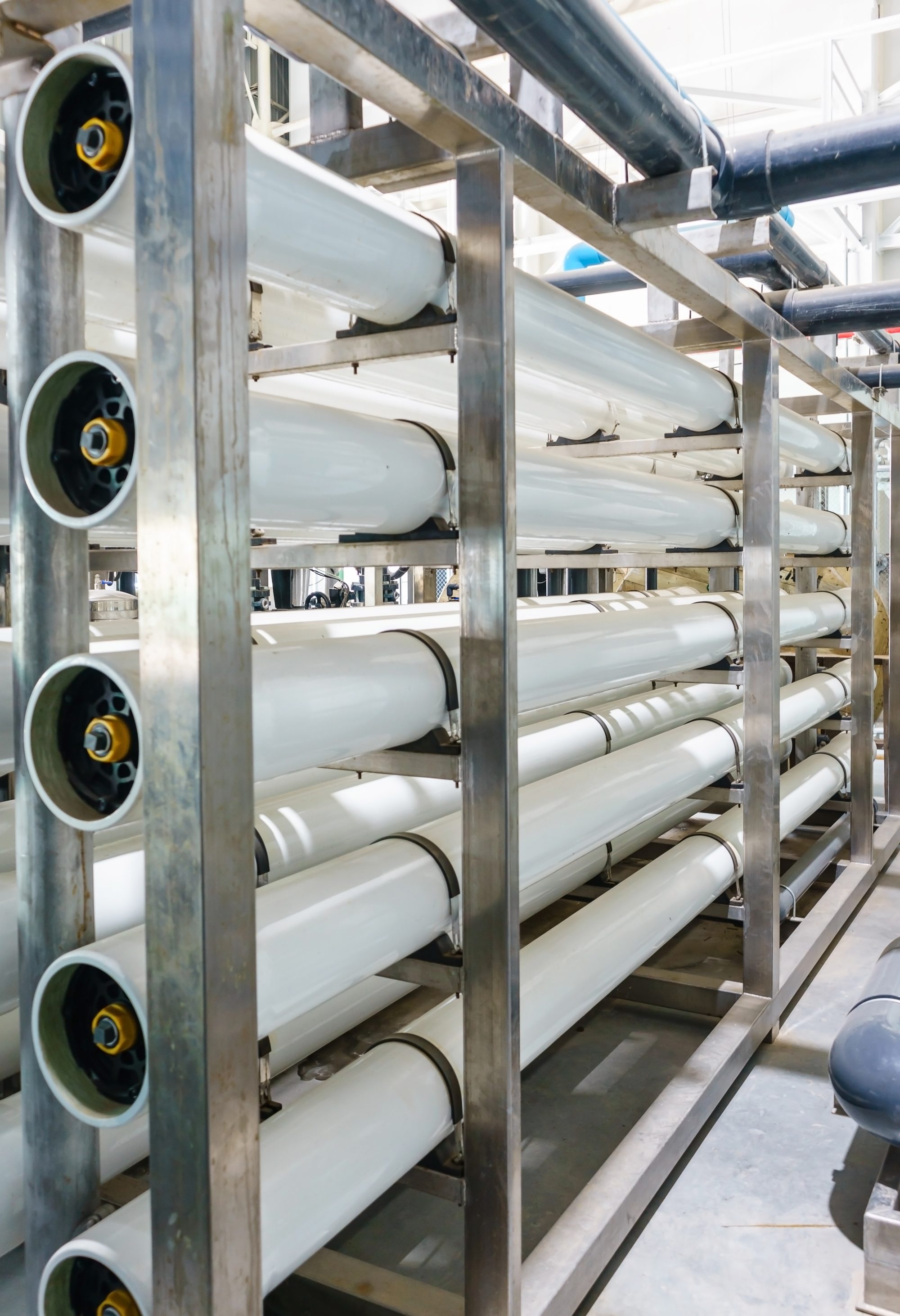
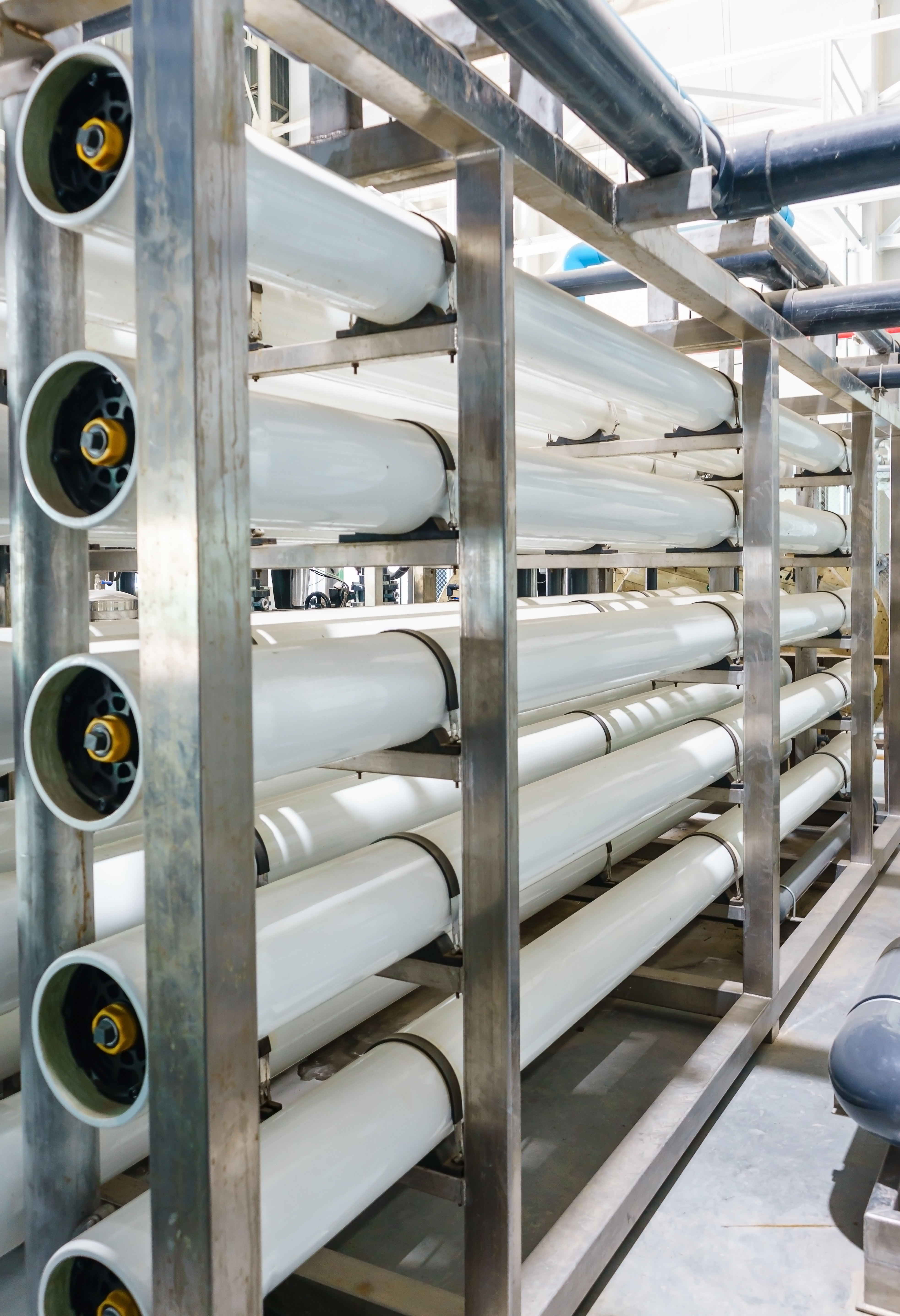
When your operation depends on consistent, high‑purity water, the choice of a reverse osmosis system can affect production uptime, product quality and operating expenses. In Kenya’s diverse industrial landscape, selecting the right system and maintaining it properly is essential for protecting equipment and meeting regulatory standards.
Why water treatment matters for Kenyan businesses
Industrial processes, food and beverage production, and power generation all require water that meets strict quality criteria. Poor water can cause scaling, corrosion, and costly downtime. A well‑designed commercial RO system helps you avoid these risks while supporting sustainability goals.
Typical sources of lost money and downtime
Many buyers underestimate the impact of inadequate pretreatment, membrane fouling, and unexpected spare‑part failures. Without proper monitoring, a drop in permeate flow can halt a production line before the problem is noticed.
How Spenomatic Group’s experience aligns with your needs
Our industrial engineering solutions include end‑to‑end design, installation and service of RO plants across East Africa. The EPC experience across Africa ensures we understand local water sources, power reliability and regulatory requirements.
Sizing and maintaining RO systems for process water quality
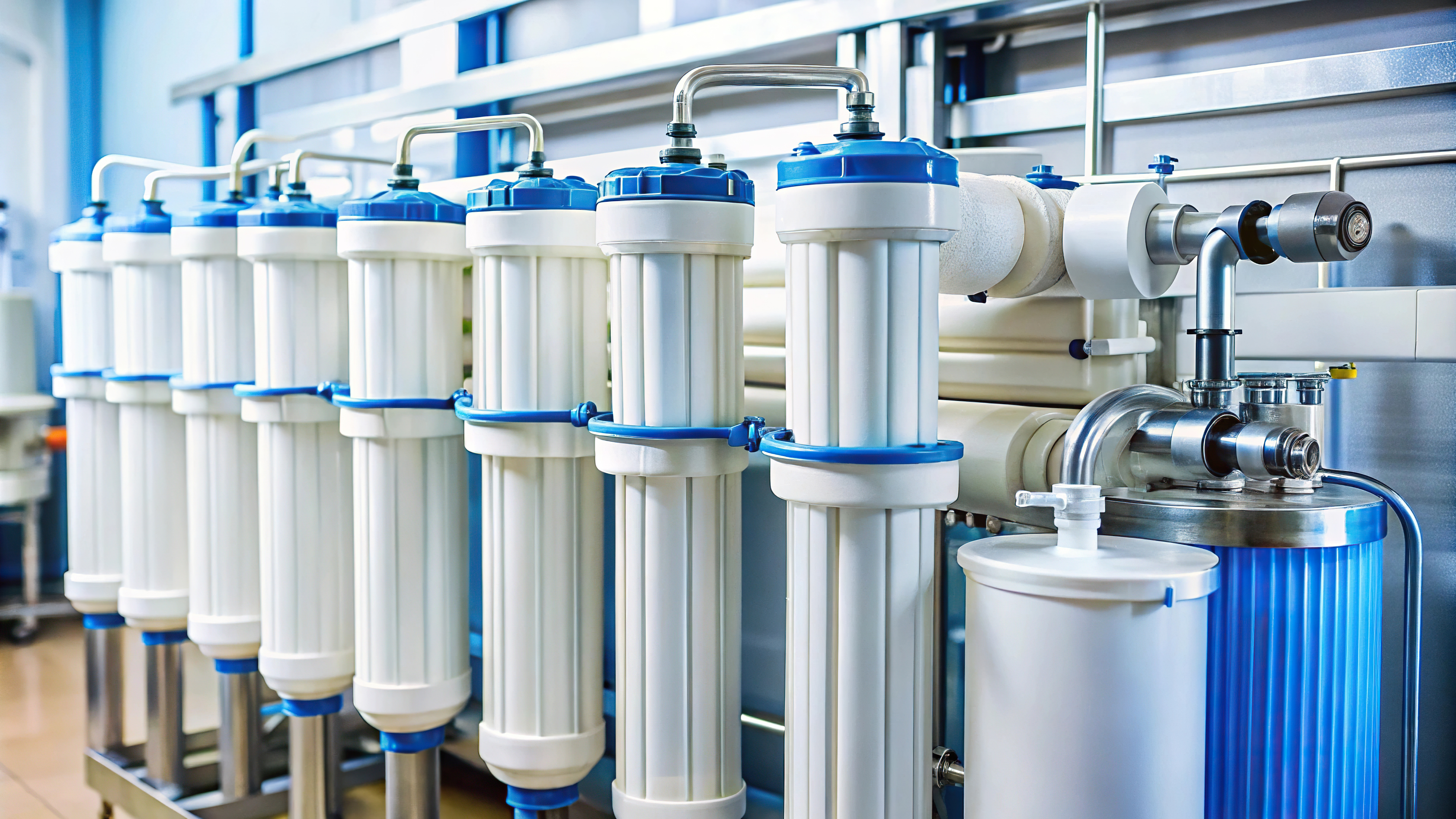
Start with a water analysis that captures TDS, hardness, temperature and flow rate. Use these data to select an appropriate membrane area and pretreatment train. Regular RO membrane maintenance—including cleaning cycles and pressure checks—extends life and keeps permeate quality stable.
Key measurements before buying equipment or services
Measure feed water TDS, recovery rate, required permeate flow, and energy consumption. Compare these figures against the specifications of a commercial RO system or an industrial RO plant to avoid undersizing.
When a simple fix is enough and when a full EPC audit is needed
If the issue is a clogged pre‑filter, a quick replacement may restore performance. However, recurring fouling or inconsistent product quality often signals the need for a comprehensive technical audit and possible system upgrade.
Cost, ROI and operating considerations
Capital cost versus operating cost
Initial investment includes membranes, high‑pressure pumps, pretreatment equipment and installation. Operating costs are driven by electricity, membrane replacement, chemicals for cleaning and routine monitoring. Selecting energy‑efficient pumps can reduce the electricity bill by up to 20%.
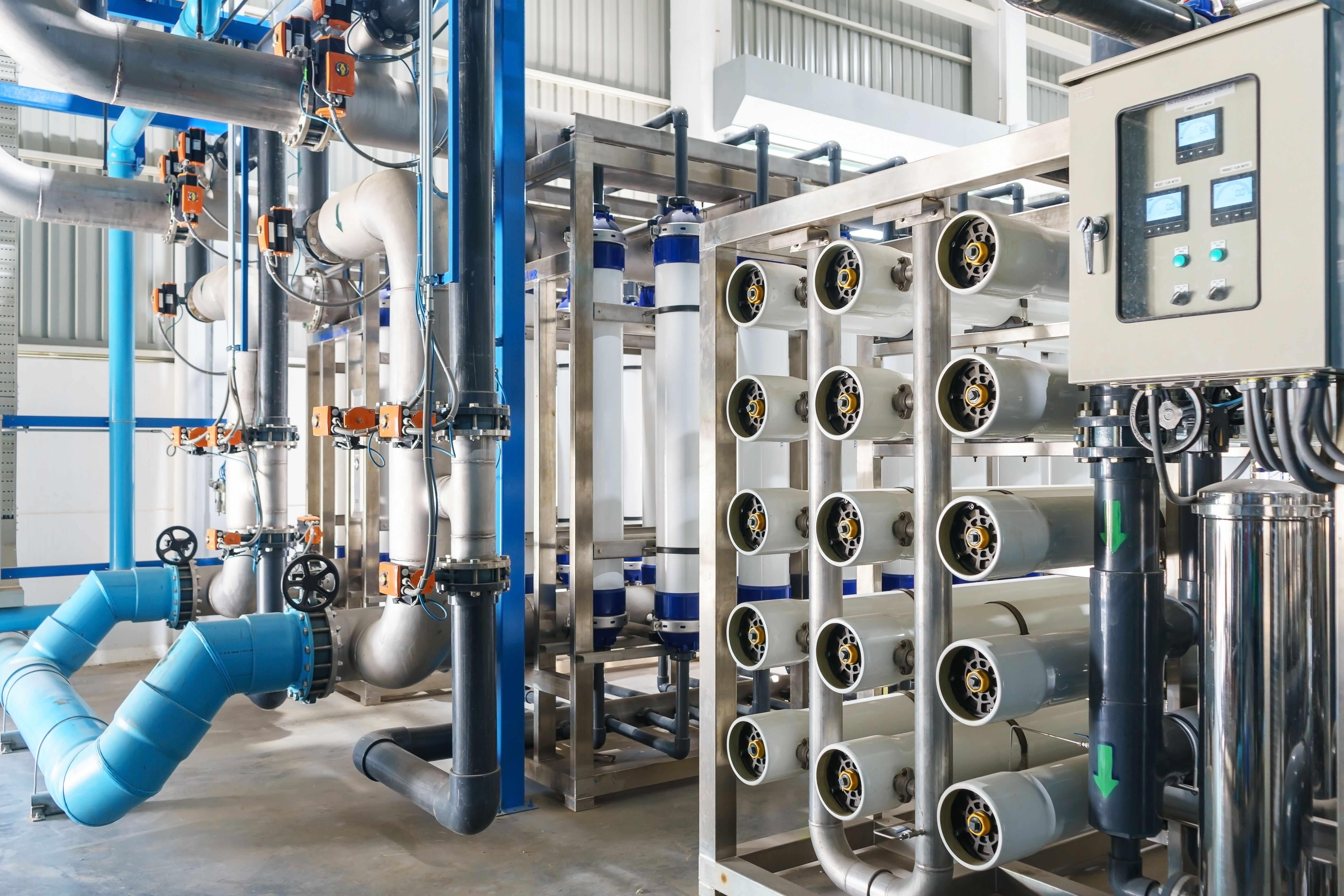
Maintenance, consumables, spares and monitoring
Plan for scheduled membrane replacement (typically every 2‑3 years), filter changes and spare pump parts. Automated monitoring systems alert you to pressure spikes that indicate fouling, allowing proactive maintenance.
Payback, risk reduction and lifecycle value
When water quality improves, you see fewer product rejects, lower energy use and extended equipment life. A well‑maintained RO plant often pays for itself within 18‑24 months through reduced downtime and lower utility costs.
Common mistakes to avoid
Choosing based on price alone
Low‑cost units may lack proper pretreatment or have insufficient membrane area, leading to early failure and hidden expenses.

Neglecting maintenance contracts, warranties and staff training
Without a clear maintenance plan, unexpected breakdowns can cripple operations. Ensure your supplier offers training for operators and a warranty that covers membrane performance.
Viewing utilities, energy and water as separate problems
Integrating the RO system with your existing boilers, chillers or biomass systems can optimize heat recovery and lower overall energy demand. Our boilers, chillers and biomass systems expertise helps you achieve that integration.
How to choose the right Spenomatic solution
Questions to ask during an audit or consultation
- What is the exact feed water quality and variability?
- What recovery rate and permeate quality does my process require?
- How does the system handle peak demand and power fluctuations?
- What are the total cost of ownership and expected ROI?
- What support, spare parts and training are included?
Our team can answer these questions and tailor a solution that fits your budget and performance goals. Explore our Labs and Chemicals products for compatible cleaning chemicals and monitoring kits.
Ready to secure reliable water quality and protect your bottom line? Contact Spenomatic Group today for a free water‑quality audit and a customized proposal.