
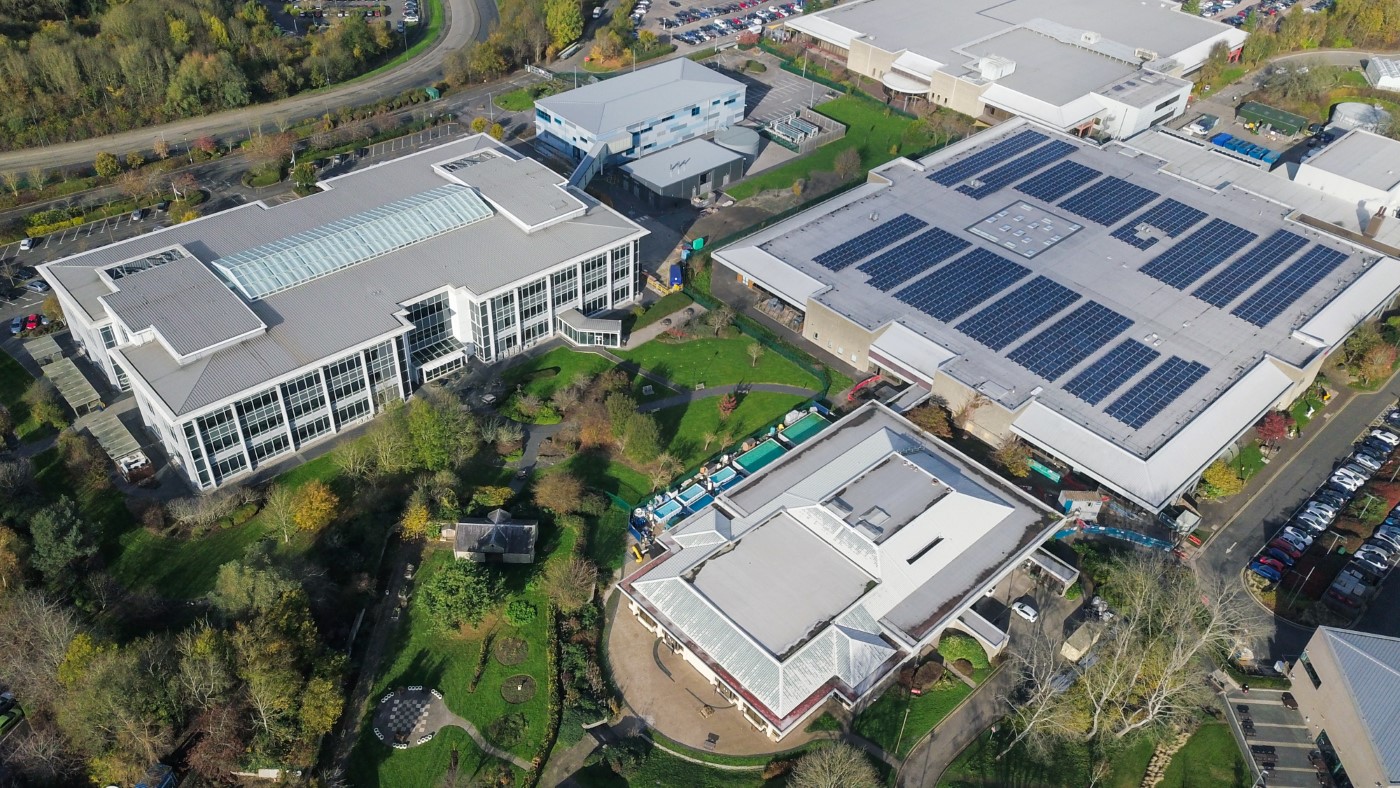
Keeping a steam boiler in peak condition is essential for any Kenyan factory that relies on continuous heat and power. A well‑planned maintenance routine protects your investment, improves boiler efficiency, and prevents costly unplanned shutdowns.
Why Proper Boiler Care Matters in Kenya and Africa
High ambient temperatures, variable power supply, and water quality challenges make reliable boiler operation a critical factor for competitiveness across the region. Regular steam boiler maintenance Kenya helps meet safety regulations and reduces fuel consumption.
Typical Costly Downtime Triggers
Most factories lose money when scale builds up in tubes, safety valves stick, or steam traps fail. A missed steam trap survey can waste up to 15% of generated steam, directly hurting boiler efficiency.

How Spenomatic Group’s Experience Helps
With decades of EPC experience across Africa, Spenomatic Group combines engineering expertise and local knowledge to deliver reliable boilers, chillers and biomass systems that meet Kenyan standards.
Practical Preventive Maintenance Checklist
- Inspect and clean boiler tubes and heat‑exchange surfaces weekly.
- Test safety valves and pressure gauges for proper set points.
- Conduct a full Ball Float steam trap survey at least quarterly.
- Check water chemistry and treat feedwater through the water and effluent treatment division.
- Verify burner alignment and combustion efficiency monthly.
- Record fuel consumption and compare against baseline boiler efficiency data.
Key Measurements Before Choosing Equipment or Services
Measure steam demand, fuel cost, and existing heat‑loss rates. These figures guide whether a simple boiler service Kenya visit suffices or a full system upgrade is warranted.
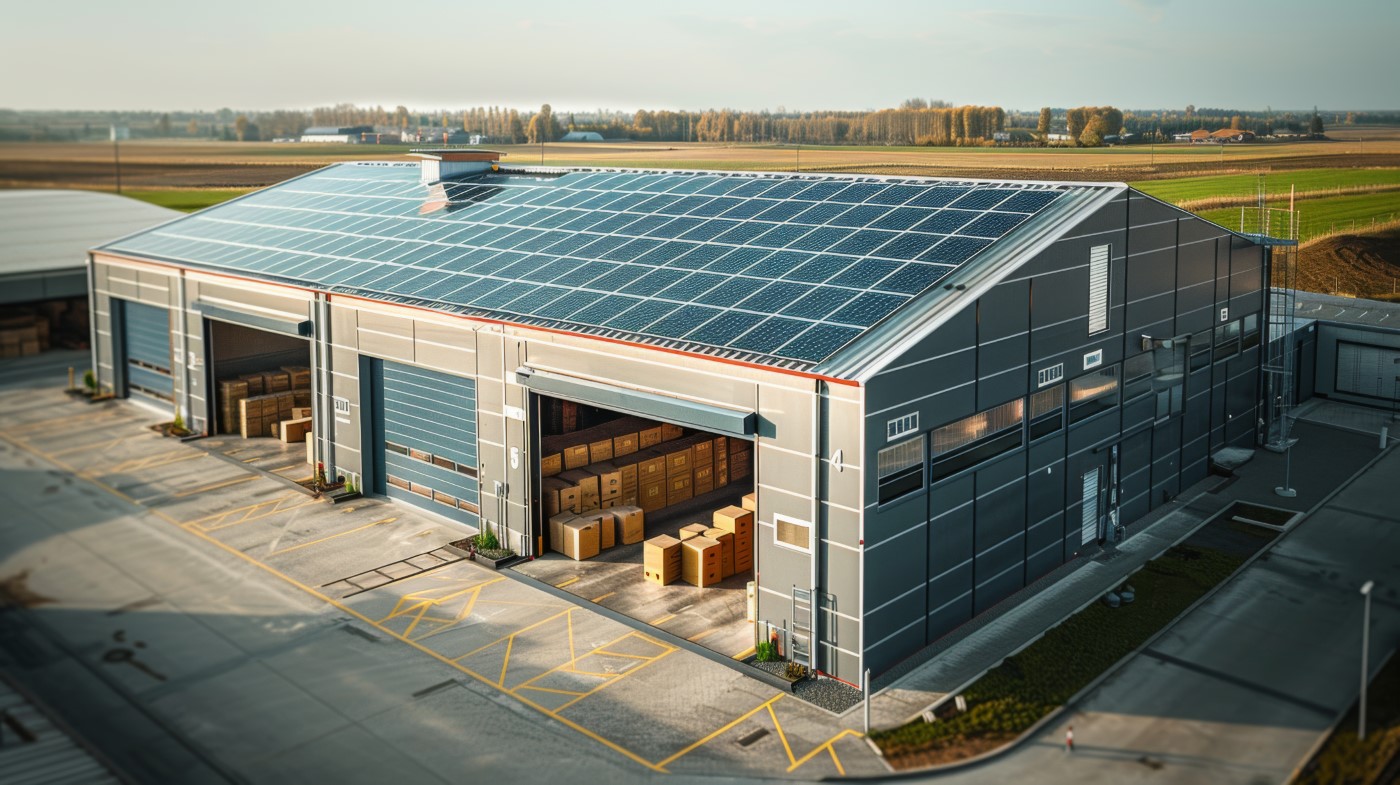
When a Simple Fix Suffices vs. Full EPC Audit
If the checklist reveals isolated valve wear or a single trap failure, a targeted repair is enough. When multiple items show degradation, consider a comprehensive EPC or technical audit to redesign the system for long‑term reliability.
Cost, ROI and Operating Considerations
Capital Cost vs. Operating Cost
Investing in high‑efficiency burners may raise capital spend, but fuel savings typically deliver payback within 12‑18 months.

Maintenance, Consumables, Spares and Monitoring
Plan for regular consumable purchases—water treatment chemicals, gaskets, and spare traps. Remote monitoring tools can alert staff to performance dips before they become emergencies.
Payback, Risk Reduction and Lifecycle Value
Effective maintenance reduces the risk of catastrophic failure, protects staff, and extends boiler life by 10‑15 years, delivering strong lifecycle value.
Common Mistakes to Avoid
Choosing on Price Alone
Buying the cheapest boiler without proper sizing data often leads to oversizing, higher fuel use, and premature wear.
Neglecting Maintenance, Warranties, Safety and Training
Skipping scheduled service voids warranties and leaves operators untrained on emergency procedures.

Separating Utilities, Energy, Water and Process Issues
Treating steam, water treatment, and energy management as isolated problems prevents holistic optimisation.
Choosing the Right Spenomatic Solution
Questions to Ask During an Audit or Consultation
- What is the current boiler efficiency and how is it measured?
- Can you provide a detailed boiler inspection checklist for my plant?
- What spare‑part inventory and response times are guaranteed?
- How does your industrial engineering solutions integrate with existing control systems?
Ready to protect your factory’s steam supply and boost efficiency? Contact Spenomatic Group today for a free boiler inspection and customised maintenance plan.