
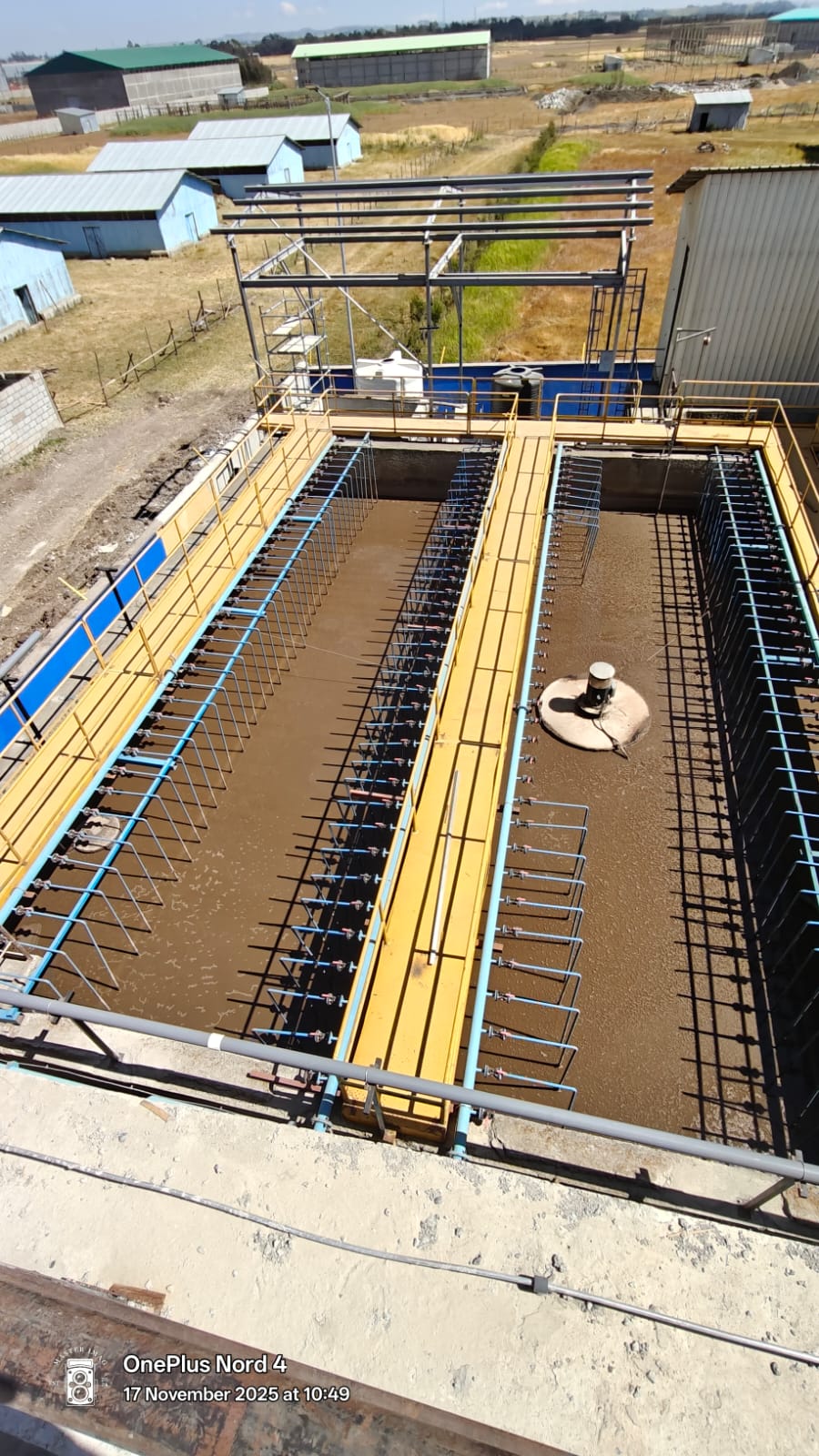
Water plays a central role in food and beverage production. It is used in cleaning, cooking, cooling, and even as an ingredient in many products. Maintaining high-quality water is essential for safety, efficiency, and regulatory compliance. Modern food and beverage plants cannot rely on untreated water, as impurities can compromise product quality, damage equipment, and disrupt production. Industries are increasingly adopting advanced water treatment solutions to ensure safe, consistent, and sustainable operations.
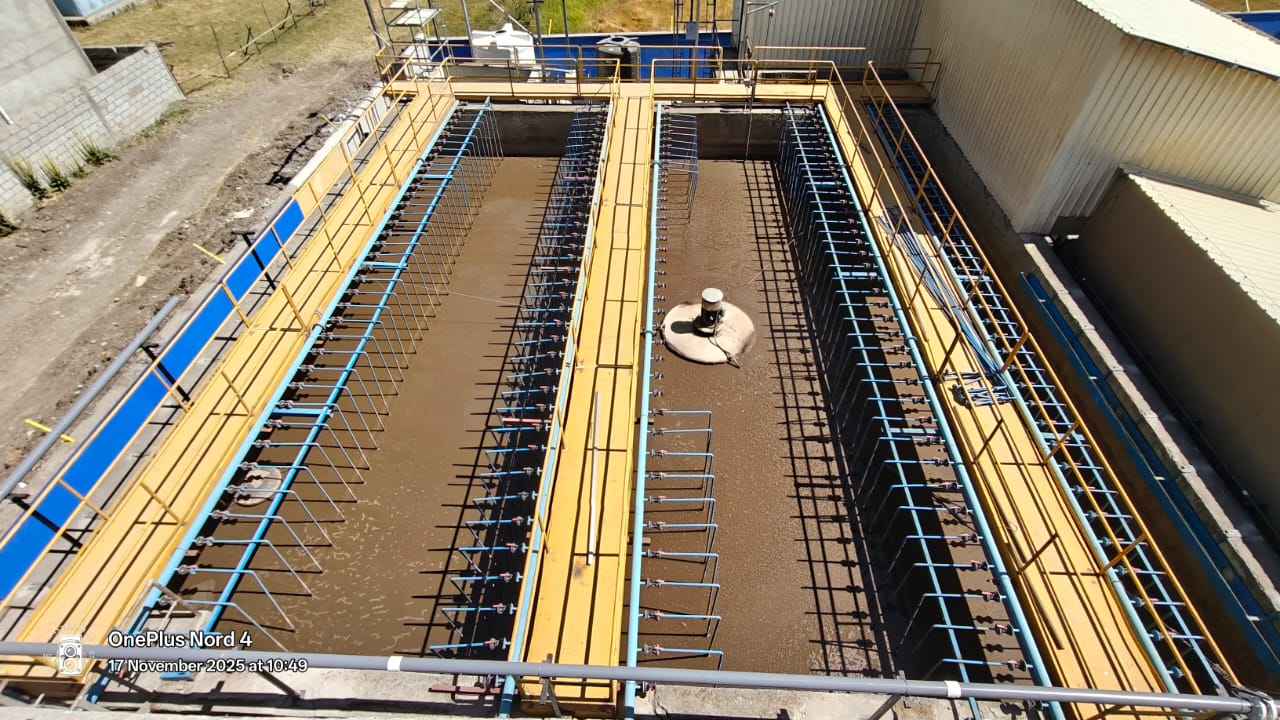
Why Water Treatment Is Critical in Food & Beverage Plants
Water quality directly affects both product safety and operational efficiency. Hard water, minerals, or microbial contamination can impact taste, appearance, and shelf life. Moreover, impurities can build up in pipes, boilers, and cooling systems, leading to corrosion, scaling, and costly equipment downtime.
Modern water treatment systems remove these contaminants, ensuring water meets strict food-grade standards. Automated monitoring keeps water quality consistent, adjusting treatment levels in real time. Plants benefit from fewer disruptions, lower maintenance costs, and more reliable production schedules. According to the World Health Organization, maintaining safe water in food processing is essential to prevent contamination and protect consumers.
Key Water Treatment Strategies for Food & Beverage Plants
1. Filtration Systems
Filtration is the first line of defense. Ultrafiltration, microfiltration, and multimedia filters remove suspended solids, bacteria, and other impurities. Clean water prevents damage to equipment and ensures that final products meet quality standards.
Automated filtration reduces manual labor and water waste. Plants can maintain consistent water quality even when incoming water varies. The European Environment Agency notes that efficient filtration supports sustainability goals by reducing freshwater consumption and wastewater discharge.
2. Water Softening
Hard water can cause scale buildup in boilers, heat exchangers, and piping. Ion exchange systems soften water by removing calcium and magnesium, protecting equipment and improving energy efficiency.
Softened water also ensures consistent temperature control in cooking and cooling processes, which is critical for maintaining product quality. By reducing energy use and maintenance, water softening contributes directly to operational efficiency and sustainability.
3. Reverse Osmosis and Membrane Systems
Reverse osmosis (RO) systems remove dissolved salts, chemicals, and contaminants. In food and beverage plants, RO ensures high-purity water for sensitive processes like beverage formulation, brewing, or dairy production.
When combined with pre-treatment like ultrafiltration, RO extends membrane life and improves overall system reliability. Plants can safely reuse treated water for cleaning, cooling, and other non-potable applications, reducing freshwater consumption and environmental impact. The International Water Association highlights that integrating RO with other water treatment strategies enhances both sustainability and efficiency.
4. UV and Chemical Disinfection
Ensuring microbiological safety is critical in food and beverage production. Ultraviolet (UV) disinfection provides chemical-free treatment, eliminating bacteria and viruses without altering water chemistry.
Chemical disinfectants, such as chlorine or ozone, can also be used to meet specific microbial requirements. Together, these methods protect product safety and comply with food safety standards. Digital monitoring can ensure disinfection is consistent and effective, preventing contamination and production delays.
5. Water Reuse and Recycling
Water reuse is increasingly important in food and beverage plants. Treated wastewater can be applied to cooling systems, equipment cleaning, and other non-potable processes.
By implementing recycling programs, plants reduce reliance on fresh water and minimize wastewater discharge. This approach supports zero-waste initiatives and aligns with global sustainability frameworks, such as those promoted by the United Nations Environment Programme. Water recycling also lowers operational costs and improves long-term resource management.
The Role of Spenomatic Kenya
Spenomatic Kenya provides food and beverage plants with modern water treatment solutions designed for local water conditions. Their systems integrate filtration, softening, reverse osmosis, disinfection, and recycling to deliver safe, reliable water for production.
By adopting these strategies, plants protect equipment, improve product quality, and reduce environmental impact. Digital monitoring and automation enhance reliability, allowing managers to track water quality in real time. This ensures smoother operations and helps facilities meet regulatory standards efficiently.
Benefits of Modern Water Treatment in Food & Beverage Production
Modern water treatment strategies offer multiple benefits:
- Improved product quality and consistency
- Reduced equipment damage and maintenance costs
- Lower energy and chemical consumption
- Compliance with national and international food safety regulations
- Reduced environmental impact through water reuse and zero-waste initiatives
By implementing these strategies, food and beverage plants can achieve cleaner, safer, and more sustainable production while lowering operational risks.
FAQs
1. Why is water treatment essential in food and beverage production?
It ensures product safety, protects equipment, and maintains consistent operational efficiency.
2. Can treated water be reused in food processing plants?
Yes, treated water can be reused for cleaning, cooling, and non-potable processes.
3. How does water softening help production?
Softened water prevents scale buildup, improves energy efficiency, and protects equipment.
4. Is UV disinfection effective for food safety?
Yes, UV eliminates harmful microorganisms without affecting water chemistry.
5. How does Spenomatic Kenya support food and beverage plants?
They provide tailored water treatment systems integrating filtration, softening, disinfection, and recycling for sustainable operations.