
Water is the backbone of high-demand industries. Sectors like food and beverage, textiles, pharmaceuticals, chemicals, and energy rely on clean, consistent water for every stage of production. Poor water quality can halt operations, damage equipment, increase costs, and compromise product quality. As global competition rises and environmental regulations tighten, industries are prioritizing water quality management more than ever. In Kenya and across East Africa, companies are turning to advanced water management solutions to ensure their operations are efficient, sustainable, and compliant.
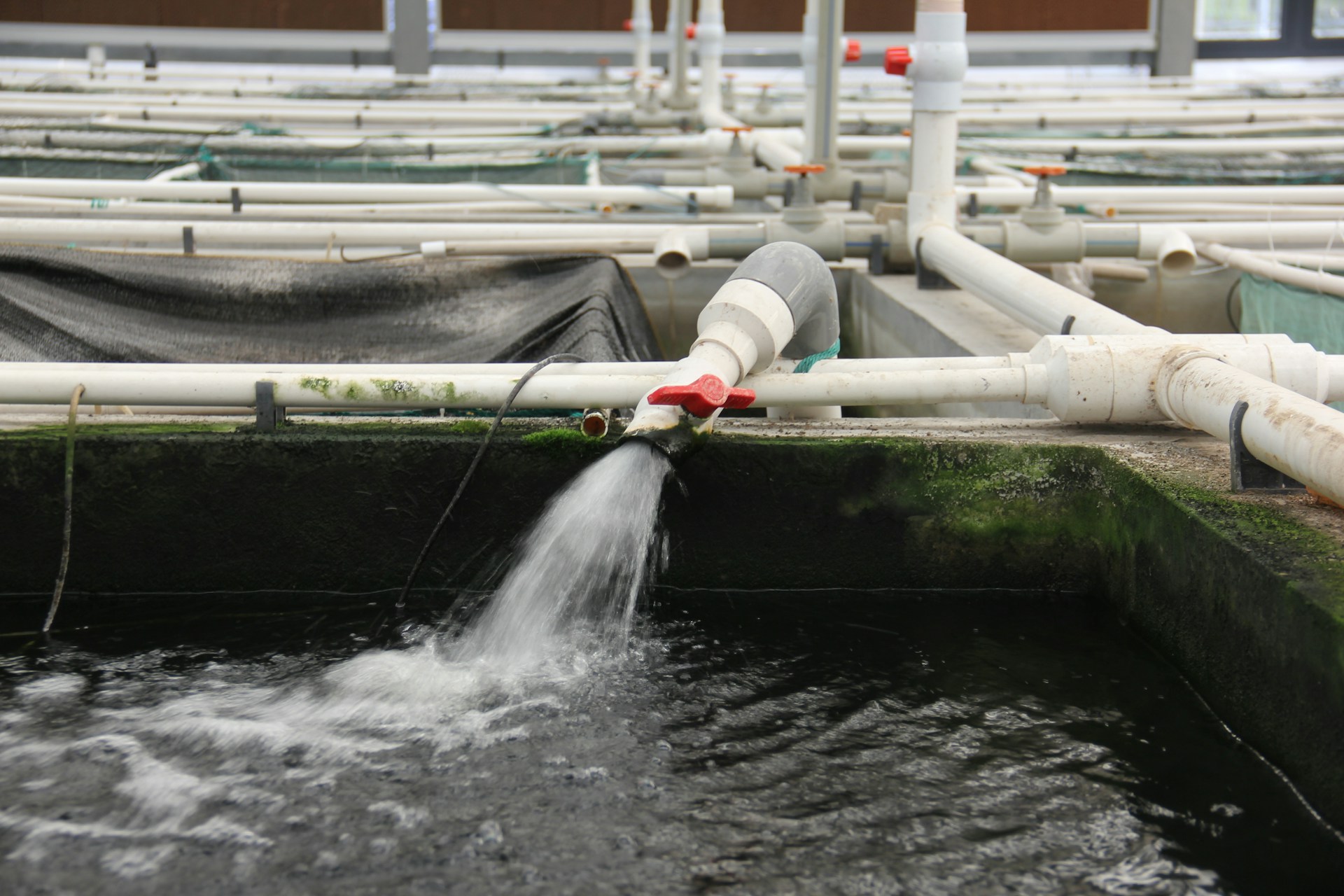
The Critical Role of Water in High-Demand Industries
High-demand industries use large volumes of water daily for cooling, processing, cleaning, and heating. Even minor variations in water quality, such as hardness, pH imbalance, or microbial contamination, can cause equipment malfunctions or production slowdowns. In extreme cases, unsafe water can lead to product recalls or regulatory penalties.
Managing water quality is no longer optional; it is essential for operational stability. Clean water prevents scaling, corrosion, and fouling in boilers, heat exchangers, and pipelines, while reducing energy consumption and maintenance needs. According to the World Health Organization, safe water management is vital to protect both human health and industrial processes.
Key Challenges in Industrial Water Management
Industries face several challenges when it comes to water quality:
- Variability of water sources: Municipal water, boreholes, and surface water can fluctuate in quality.
- High demand: Large-scale operations require a constant supply of clean water.
- Regulatory compliance: National and international guidelines require strict control of wastewater discharge and water quality standards.
- Environmental impact: Industries need to minimize water use and reduce pollution.
By implementing advanced water treatment and monitoring systems, high-demand industries can overcome these challenges. Proper water management ensures uninterrupted production, cost savings, and a smaller environmental footprint.
Modern Water Treatment Technologies
High-demand industries benefit from multiple water treatment strategies. Each technology addresses specific quality concerns and supports sustainability goals.
1. Filtration Systems
Filtration is the first step in producing clean, usable water. Technologies such as ultrafiltration, microfiltration, and multimedia filters remove suspended solids, bacteria, and other contaminants. Automated filters optimize performance, reduce maintenance, and minimize water waste. The European Environment Agency emphasizes that efficient filtration supports sustainable water use by reducing freshwater consumption and wastewater generation.
2. Reverse Osmosis (RO)
Reverse osmosis removes dissolved salts, minerals, and chemical impurities, providing high-purity water for sensitive industrial applications. RO is widely used in food and beverage, pharmaceutical, and electronics manufacturing, where consistent water quality is critical. RO systems are often paired with pre-treatment technologies to enhance efficiency and protect membranes.
3. Water Softening and Ion Exchange
Hard water can lead to scale formation in boilers, heat exchangers, and cooling systems. Ion exchange systems remove calcium and magnesium, softening water and improving equipment performance. Softened water enhances heat transfer, reduces energy costs, and lowers maintenance requirements, supporting operational efficiency.
4. UV and Chemical Disinfection
Ensuring microbiological safety is crucial in industries that produce consumable or sensitive products. Ultraviolet (UV) disinfection eliminates bacteria and viruses without altering water chemistry. Chemical treatments, such as chlorine or ozone, can also provide additional microbial control. Combined, these methods protect product quality and help facilities comply with strict hygiene standards.
5. Water Reuse and Recycling
Recycling water reduces demand for freshwater and minimizes wastewater discharge. Treated water can be reused for cooling, equipment cleaning, and other non-potable processes. Circular water management is increasingly recommended by global organizations, including the United Nations Environment Programme. Implementing reuse strategies helps industries cut costs, lower environmental impact, and move closer to zero-waste production models.
6. Resource Recovery
Modern water systems allow industries to recover valuable materials from wastewater. This includes heat, nutrients, or certain chemicals that can be reused in production processes. Thermal energy recovery reduces heating costs, while chemical recovery provides additional operational savings. Resource recovery supports sustainability by maximizing the value extracted from water streams.
Digital Monitoring and Automation
Digital tools have revolutionized industrial water management. Sensors, data platforms, and AI-driven analytics enable real-time monitoring of water quality, flow rates, and chemical levels. Automated systems adjust treatment processes instantly, preventing deviations that could compromise operations.
Spenomatic Kenya integrates digital monitoring into its water systems, giving plant managers real-time insights. This reduces downtime, ensures compliance with regulations, and optimizes water use across all processes. Historical data also allows for trend analysis, helping facilities improve efficiency and sustainability over time.
Environmental Compliance and Industrial Sustainability
Water quality management is directly tied to regulatory compliance and environmental performance. In Kenya, the National Environment Management Authority sets strict rules for wastewater discharge and resource use. Using advanced water treatment systems ensures industries meet these standards consistently.
Global organizations, such as the International Water Association, recommend integrated water management to reduce industrial impact on freshwater resources. High-demand industries that adopt modern water systems demonstrate responsibility to both regulators and local communities while enhancing operational resilience.
The Role of Spenomatic Kenya
Spenomatic Kenya supports industries in achieving cleaner production through advanced water quality management solutions. Their systems integrate filtration, softening, reverse osmosis, disinfection, recycling, and digital monitoring.
By implementing these systems, industrial facilities improve product quality, reduce operational risks, and lower environmental impact. Digital monitoring ensures water quality remains consistent, enabling continuous operations without unexpected disruptions. Spenomatic Kenya tailors solutions to local water sources and industrial requirements, providing reliable, sustainable, and cost-effective water management.
Long-Term Benefits for High-Demand Industries
Effective water quality management brings long-term advantages:
- Reduced equipment downtime and maintenance costs
- Lower energy and chemical consumption
- Consistent product quality and safety
- Compliance with local and international regulations
- Reduced environmental footprint through water reuse and zero-waste initiatives
Industries that invest in modern water systems gain a competitive edge by improving operational efficiency, sustainability, and resilience. Cleaner, reliable water supports growth while minimizing risks from water scarcity or regulatory pressures.
FAQs
1. Why is water quality management critical in high-demand industries?
It ensures operational continuity, protects equipment, and maintains product quality.
2. Can industrial water be reused safely?
Yes, treated water can be recycled for cooling, cleaning, and non-potable processes.
3. How do modern water systems reduce operational costs?
They minimize energy use, chemical consumption, and maintenance needs while extending equipment life.
4. Are digital monitoring systems necessary?
They enable real-time water quality control, prevent disruptions, and optimize efficiency.
5. How does Spenomatic Kenya help industries manage water?
They provide tailored solutions combining filtration, treatment, recycling, and digital monitoring for cleaner production.